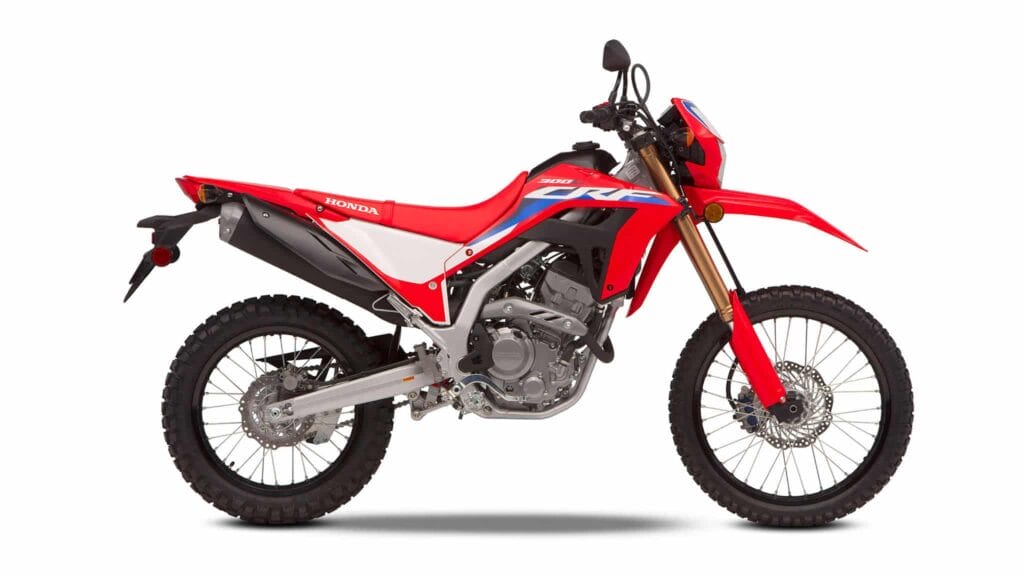
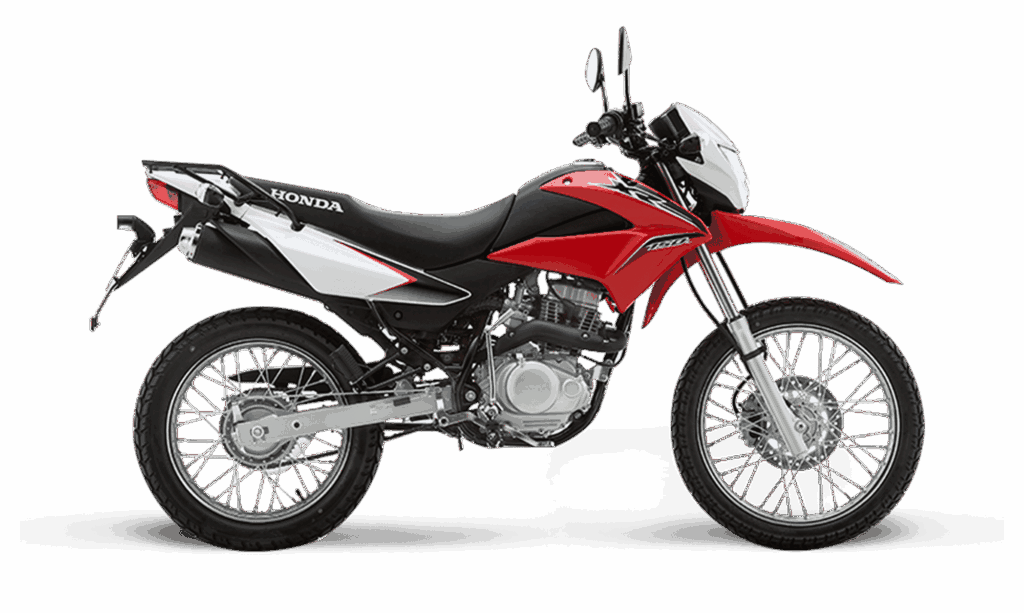
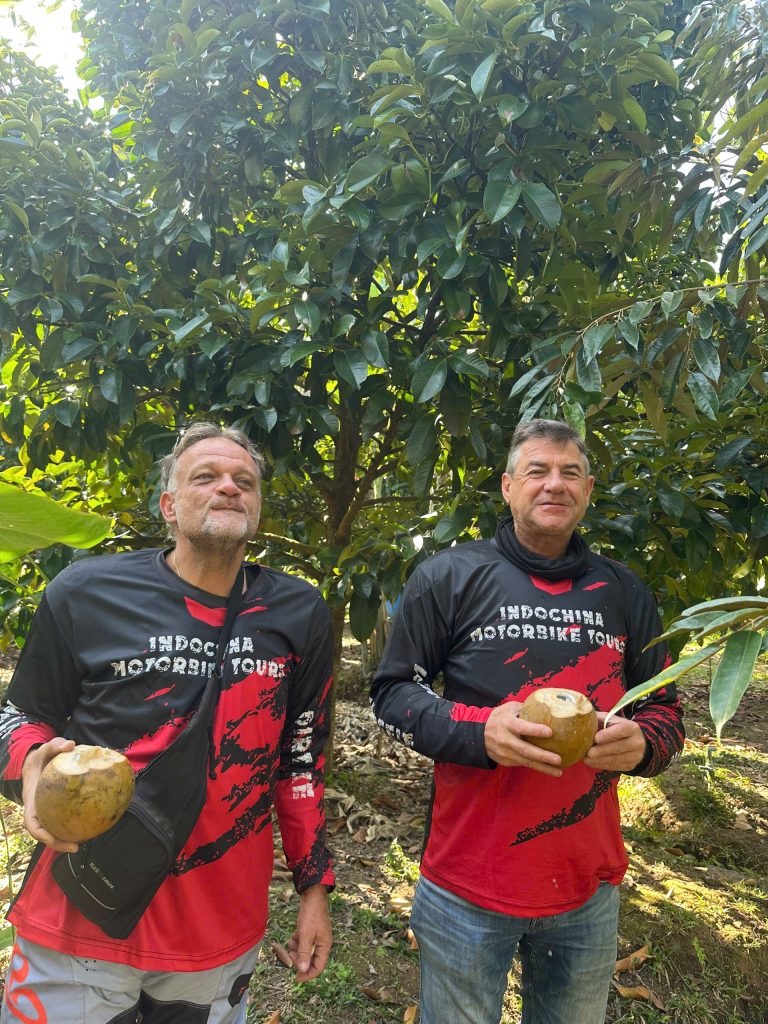
Estimated distance: 285–330 km using the approved western route
Alternative wet-weather distance: Approximately 430–470 km via the conservative paved route
Estimated riding time: 7–9 hours
Road character: Mountain descent, secondary roads, possible hard-packed dirt, agricultural backroads and paved highway
Riding level: Moderately challenging
Key highlights: Cardamom foothills, Samlot countryside, Battambang, western rice plains and return to Siem Reap
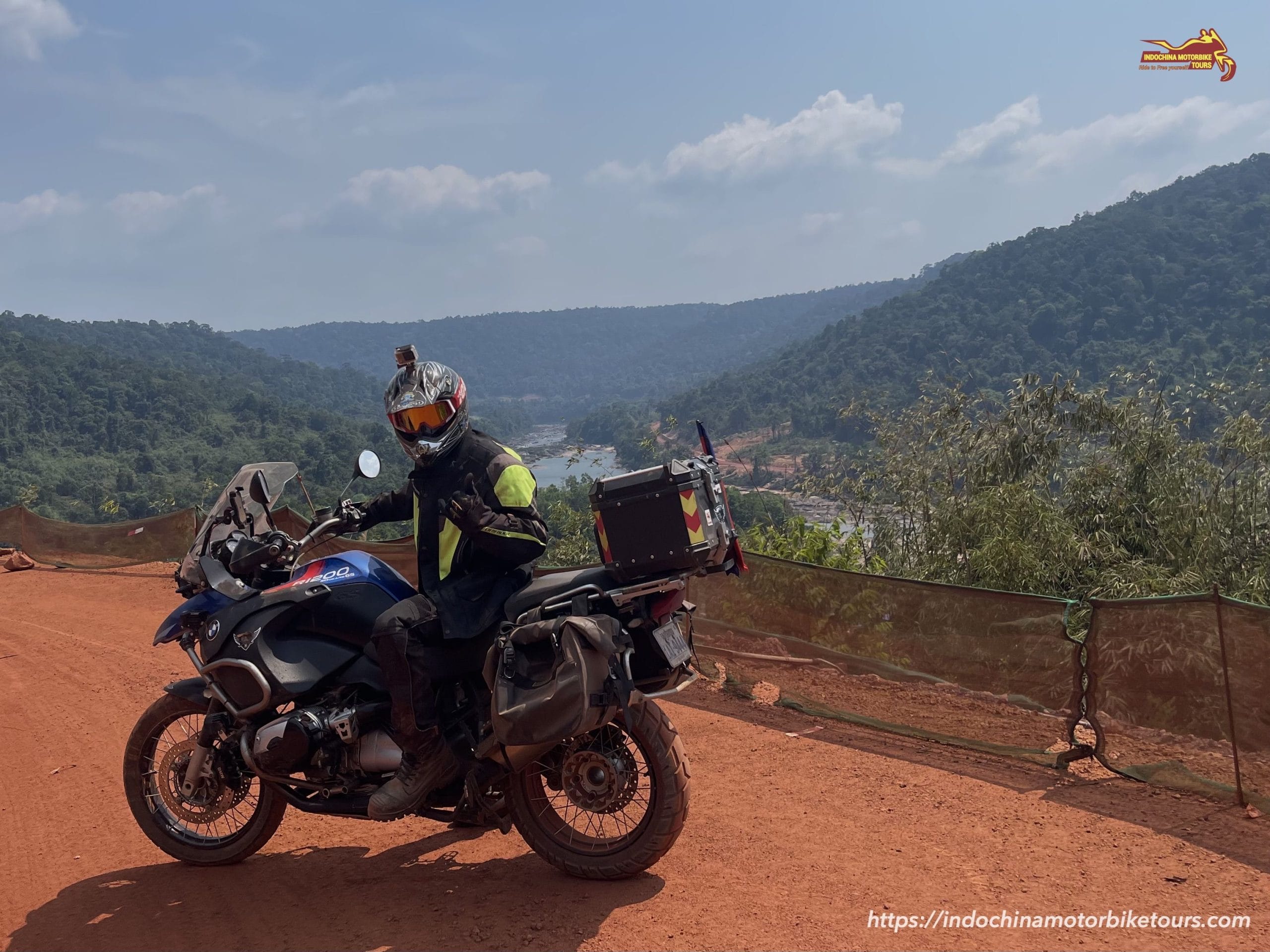
The final morning begins among the Cardamom foothills. After breakfast and a full motorcycle check, descend from the high country toward Veal Veng. Early light reveals details that may have been missed during the previous afternoon’s climb—forest valleys, small farms and clouds lifting from the mountain shoulders.
The preferred adventure route continues toward the Samlot area and then Battambang. This is the most season-sensitive stage of the expedition. Depending on recent rainfall and road maintenance, riders may encounter patched asphalt, gravel, potholes or sections of red dirt. For experienced ADV riders, these surfaces provide a satisfying final challenge. For a fully loaded heavyweight motorcycle, however, the route should only be used after a local reconnaissance confirms that it is suitable.
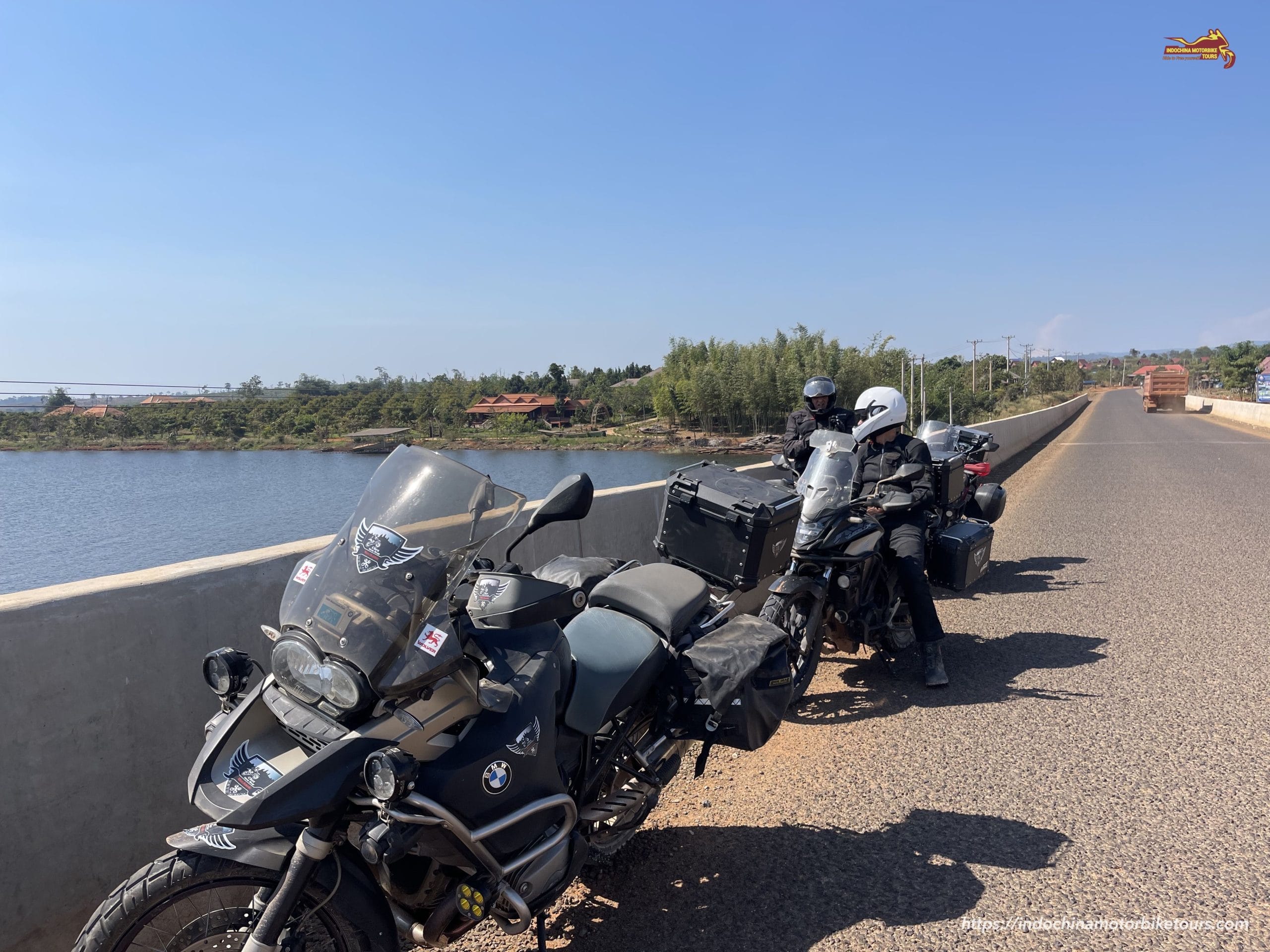
The group rides at a controlled pace, crossing rough sections individually and regrouping at every major junction. Soft luggage is preferable to wide aluminium panniers on this stage because it reduces both width and injury risk during a low-speed fall.
As the mountains recede, the landscape opens into the agricultural plains of western Cambodia. Continue to Battambang, an elegant provincial city beside the Sangkae River. Lunch may be arranged in the centre, allowing time to appreciate its old shop houses and quieter atmosphere before the final highway ride.
From Battambang, Siem Reap lies approximately 160 kilometres away by road. The route passes rice fields, small towns and busy junctions around Sisophon before turning east toward the Angkor region.
Riders should not underestimate this final section. After seven days on the road, heat and accumulated fatigue can affect reaction time. The lead guide will schedule a final hydration stop and maintain a relaxed pace rather than rushing to reach Siem Reap.
The direct Veal Veng–Siem Reap connection is commonly estimated at approximately 275 kilometres, although the final distance depends heavily on the selected mountain and provincial roads.
Arriving in Siem Reap completes a remarkable loop through Cambodia’s historic north, Mekong frontier, eastern highlands and western mountains. The engines fall silent, but the journey remains in the memory: red dust on the boots, temple stones above the plains, coffee in Mondulkiri and endless bends disappearing into the Cardamoms.
Tour ends: Siem Reap
IMPORTANT OPERATIONAL AND SAFETY NOTES
This programme is intended for riders with previous experience handling motorcycles above 800cc. It is not an introductory motorcycle tour.
Daily distances are planning estimates. Final GPS tracks, fuel stops and route timings must be reconfirmed after a local road reconnaissance.
A professional Cambodian lead rider and a 4WD support vehicle carrying luggage, water, tools, spare tyres, first-aid equipment and emergency fuel are strongly recommended.
Riders must never leave established roads or cleared visitor areas in remote border provinces. Cambodia continues to have landmine and unexploded-ordnance risks, particularly in former conflict zones.
The tour should finish riding before darkness. Animals, unlit vehicles, roadworks and limited roadside lighting make night riding unnecessarily dangerous.
TEMPORARY SAFETY-ADJUSTED REPLACEMENT FOR DAYS 1–2
Until Samraong, Anlong Veng, Sraem and Preah Vihear Temple are officially cleared for international tourism, the northern section should be replaced by:
Alternative Day 1: Siem Reap – Beng Mealea – Koh Ker – Tbeng Meanchey
Alternative Day 2: Tbeng Meanchey – Preah Khan of Kampong Svay region – Stung Treng
This alternative preserves the expedition’s Khmer heritage and remote-riding character while avoiding the immediate Cambodia–Thailand border corridor. Koh Ker has been a UNESCO World Heritage Site since 2023.
The Phnom 1500 section must still be assessed separately because the current Pursat warning applies to areas within 50 kilometres of the international border.
FREQUENTLY ASKED QUESTIONS
-
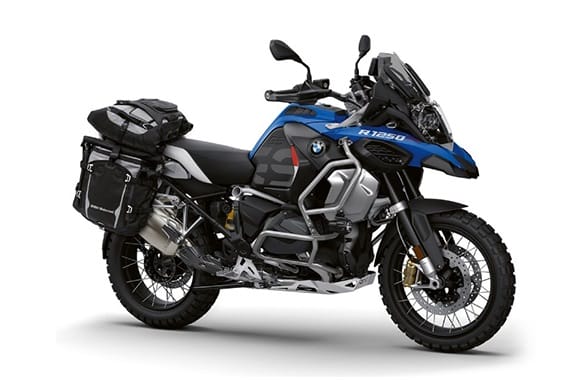
Is the BMW R 1250 GS suitable for this Cambodia tour?
Yes. The BMW R 1250 GS is highly suitable for the long paved transfers, mountain roads and firm laterite sections included in the programme. However, its size and weight mean that riders must already be confident on loose gravel, broken roads and low-speed terrain. This is not the right tour for learning how to handle a large adventure motorcycle.
-
What level of riding experience is required?
Riders should have recent experience on motorcycles of at least 800cc and be comfortable riding for six to eight hours per day. Previous gravel-road or ADV touring experience is strongly recommended. Each rider should be able to perform slow-speed turns, controlled hill starts, emergency braking and standing riding on uneven surfaces.
-
What tyres are recommended?
A quality 70/30 or 50/50 adventure tyre is recommended, depending on the season and confirmed route. Pure road tyres are less suitable for the Banlung–Mondulkiri and Veal Veng stages. Tyres should be new or have sufficient remaining tread for more than the total tour distance.
-
Is a motorcycle licence required in Cambodia?
Riders must not assume that a foreign licence or International Driving Permit automatically authorises them to ride a 1,250cc motorcycle in Cambodia. The Australian Embassy currently states that international licences are not accepted, while Cambodia’s Ministry of Public Works and Transport publishes a motorcycle-licence service for foreign applicants. Legal eligibility should therefore be verified case by case, and any required Cambodian licence must be arranged before the tour.
-
Is travel insurance compulsory?
Yes. Every participant should hold travel insurance that explicitly covers riding a motorcycle of the booked engine capacity in Cambodia, including organised motorcycle touring and riding on unsealed roads. Standard travel insurance frequently excludes large motorcycles or off-road activity. Riders must also comply with licensing and helmet requirements, as a violation may invalidate coverage.
-
Is a support vehicle necessary?
For a multi-day BMW GS expedition, a support vehicle is strongly recommended. It can transport luggage, water, emergency fuel, spare parts and a rider who becomes ill or fatigued. It also provides important backup in remote sections where towing and medical services are limited.
-
How much off-road riding is included?
The tour is primarily an adventure-touring route rather than a hard enduro programme. Most kilometres are on paved roads, while selected sections may include firm laterite, gravel, broken asphalt and short rough tracks. The exact off-road percentage changes according to the season, roadworks and group ability.
-
Can the tour operate during the rainy season?
It may be possible, but the programme becomes considerably more difficult. Red laterite can become extremely slippery, river crossings may rise and mountain roads can be affected by landslides. The Phnom 1500 road has experienced rain-related closures in the past. A flexible route and backup hotel plan are essential.
-
What is the best time of year for the expedition?
The drier months generally provide the most predictable conditions for heavyweight ADV bikes. Early dry-season rides offer greener scenery, while later months tend to be hotter and dustier. Exact departure dates should be selected after considering heat, rainfall, road repairs and regional security conditions.
-
Is Preah Vihear Temple currently open?
No. As of 03 August 2026, the site remains closed to tourism because of conflict-related damage, unstable structures and unexploded ordnance. The Sraem–Preah Vihear section must not be operated until the Cambodian authorities confirm both the temple and access corridor are safe.
-
Is Phnom 1500 safe to include?
Phnom 1500 can provide an exceptional mountain ride, but it requires current checks. Parts of Pursat near the Thailand border are subject to travel warnings, and the road can be affected by heavy rain and landslides. The operator must verify the exact GPS route, border distance and road condition shortly before departure.
-
What riding equipment should guests bring?
A full-face or adventure helmet, armoured jacket and trousers, motorcycle boots, gloves, waterproof layer, hydration pack and personal protective equipment are required. A lightweight thermal layer is useful in the Mondulkiri and Cardamom highlands.
-
Should riders use hard panniers or soft luggage?
Soft waterproof luggage is generally preferable. It keeps the motorcycle narrower and is safer during a low-speed fall on gravel or laterite. Main luggage should be carried in the support vehicle whenever possible, leaving only daily essentials on the motorcycle.
-
Are fuel stations available throughout the route?
Formal fuel stations are available in the principal towns, but they become less frequent on remote sections. The motorcycles should be refuelled at every strategic opportunity, and the support vehicle should carry a safe emergency reserve. Premium-fuel availability cannot be guaranteed in all districts.
-
Is the tour suitable for pillion passengers?
It is possible for a highly experienced rider and a confident passenger, but it is not generally recommended. Long days, heat, rough surfaces and the weight of a fully loaded big bike can make the remote stages tiring. A support vehicle should always be available for the passenger.
-
What accommodation should riders expect?
Siem Reap, Phnom Penh, Banlung and Sen Monorom offer comfortable hotel options. Sraem, Stung Treng and Veal Veng have more limited choices. Rooms are normally private with air-conditioning where available, although mountain accommodation may be simpler.
-
What group size works best?
A group of four to eight riders provides the best balance between safety, camaraderie and operational flexibility. Larger groups require additional lead and sweep riders and may experience delays at fuel stations, restaurants and rough-road sections.
-
Can the itinerary change during the tour?
Yes. On a responsible Cambodia motorcycle expedition, route flexibility is essential. Weather, roadworks, security restrictions, local ceremonies or rider fatigue may require the guide to shorten, redirect or remove a section. Safety always takes priority over completing every planned kilometre.