|
Approx. Distance: 220–240 km
|
Estimated Riding Time: 6–7 hours
|
|
Road Conditions: Mountain roads, secondary countryside roads and highway sections approaching Hanoi
|
Riding Level: Moderate
|
|
Key Highlights: Ta Xua sunrise – mountain descent – Bac Yen – Phu Yen Valley – rural northern Vietnam
|
|
There are few better places to begin the final day than Ta Xua.
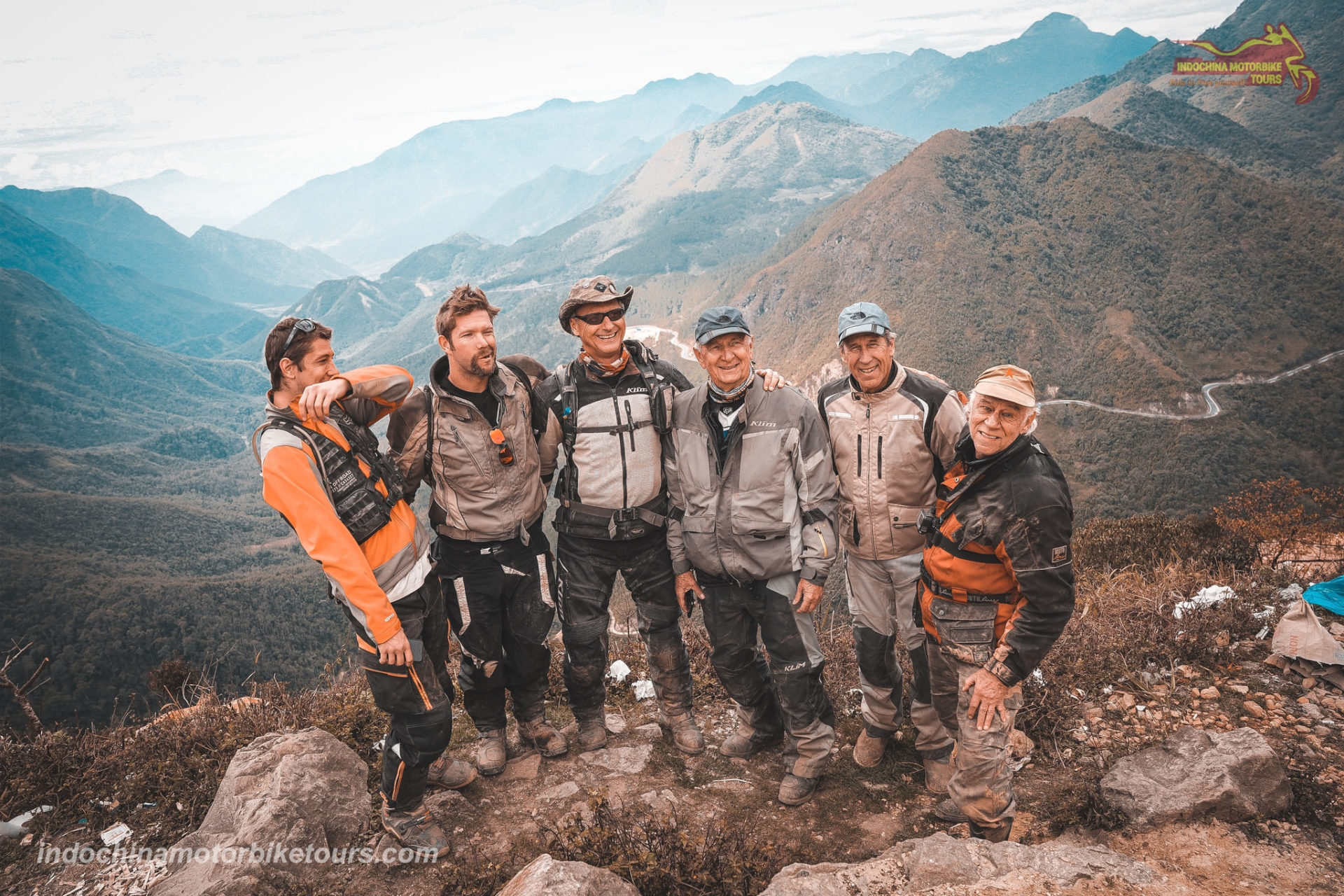
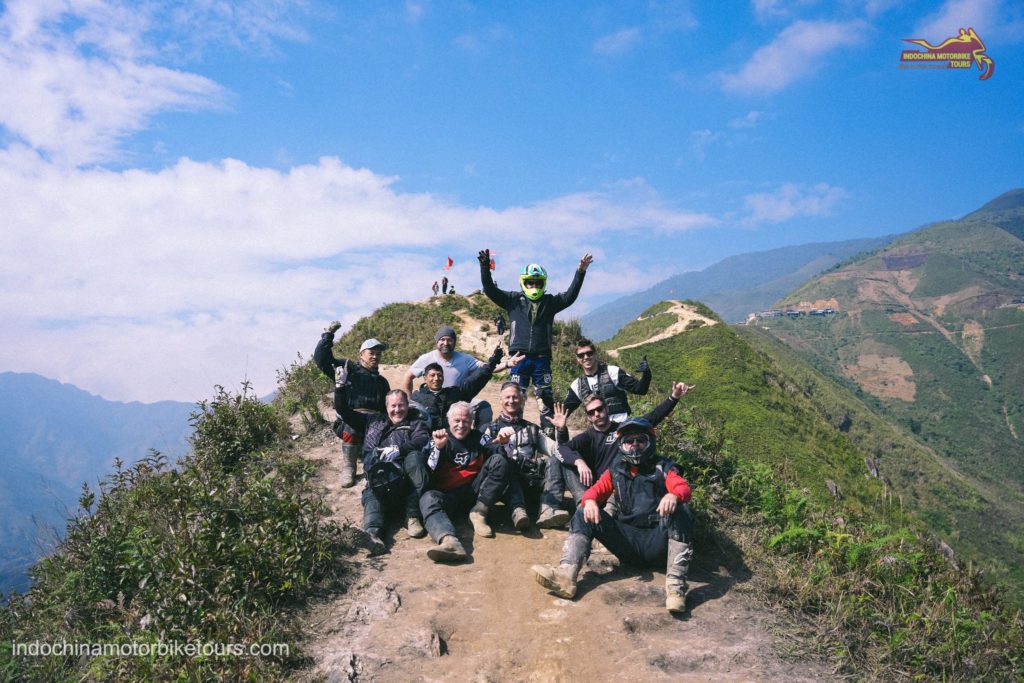
If conditions cooperate, we wake early to watch sunrise over the mountains. Clouds often gather beneath the ridges, transforming the valleys into an immense white ocean while isolated peaks rise like islands above them. It is one of those scenes that photographs rarely capture properly.
After breakfast, we begin the long descent toward Bac Yen. The road twists continuously through highland villages before reaching lower, warmer valleys. Today is less technically demanding than yesterday, but the riding remains superb.
From Bac Yen we continue toward Phu Yen, an agricultural valley surrounded by mountains. Where time and conditions allow, we avoid some of the larger roads and follow quiet countryside lanes, crossing small rivers and riding through villages far removed from conventional tourist routes.
Gradually the landscape changes. The enormous mountains of the Northwest begin to soften into rolling hills, the roads become busier and signs of the Red River Delta start to reappear.
The closer we come to Hanoi, the greater the contrast feels.
Eight days ago we left the capital with clean motorcycles and little idea what the mountains would deliver. Now we return carrying dust from Dien Bien, mud from highland tracks, memories of countless hairpins and probably thousands of photographs.
This is why the trip is much more than an ordinary motorcycle holiday. It crosses different ethnic regions, connects one of Vietnam’s most important historical landscapes with its most dramatic mountain scenery, and introduces riders to roads that few foreign visitors ever experience.
Late in the afternoon we ride back into Hanoi and return the motorcycles. The engines fall silent — but the EPIC RIDE through Northwest Vietnam is unlikely to be forgotten.
Riding character: Mountain descent • sweeping curves • rural backroads • mixed surface • long final expedition stage
Tour at a Glance
|
Day
|
Route
|
Approx. Distance
|
Main Riding Character
|
|
1
|
Hanoi – Hoa Binh – Lung Van – Chieng Yen
|
210–230 km
|
Backroads, mountain curves, light dirt
|
|
2
|
Chieng Yen – Son La
|
170–190 km
|
Mountain roads, backroads, optional off-road
|
|
3
|
Son La – Dien Bien Phu
|
250–270 km
|
Long-distance mountain ride, Pha Din Pass
|
|
4
|
Dien Bien – Lai Chau
|
210–230 km
|
Remote valleys, broken roads, twisties
|
|
5
|
Lai Chau – Sapa – Muong Hoa
|
110–140 km
|
O Quy Ho + technical village off-road
|
|
6
|
Sapa – Mu Cang Chai
|
160–180 km
|
High passes, terrace tracks
|
|
7
|
Mu Cang Chai – Ta Xua
|
170–200 km
|
Dirt, mud, rocky tracks, technical riding
|
|
8
|
Ta Xua – Hanoi
|
220–240 km
|
Mountain roads + rural backroads
|
Total riding distance: approximately 1,500–1,680 km
Note: Actual mileage may vary depending on weather, trail accessibility, road repairs and the off-road sections selected by the tour leader.
Riding & Terrain Profile
Terrain includes: Asphalt mountain passes • broken backroads • compact dirt • gravel tracks • rocky trails • narrow concrete village roads • forest tracks • farm roads • rutted sections • muddy tracks after rain • steep climbs and descents • switchbacks • hairpin bends • optional single-track riding.
Recommended positioning: Adventure / Off-Road Motorcycle Tour – Intermediate to Experienced Riders.
This tour should not be marketed as hard-enduro. Most long-distance connections use mountain roads, while carefully selected dirt and off-road sections provide the adventure character.
Frequently Asked Questions
-
How difficult is this Northwest Vietnam motorcycle tour?
The tour is rated moderate to challenging. Riders should be comfortable controlling a motorcycle on winding mountain roads, steep climbs and descents, loose gravel and occasional muddy or rocky terrain. Some technical sections can be bypassed if necessary.
-
Do I need previous off-road experience?
Basic off-road experience is strongly recommended. You do not need to be an enduro racer, but experience riding dirt roads, gravel and uneven surfaces will make the trip considerably more enjoyable.
-
How much off-road riding is included?
It varies from day to day. Some stages primarily involve spectacular paved mountain roads, while others include dirt tracks, farm roads, broken trails and optional single tracks. Trail selection can change according to weather and rider ability.
-
What motorcycles are recommended?
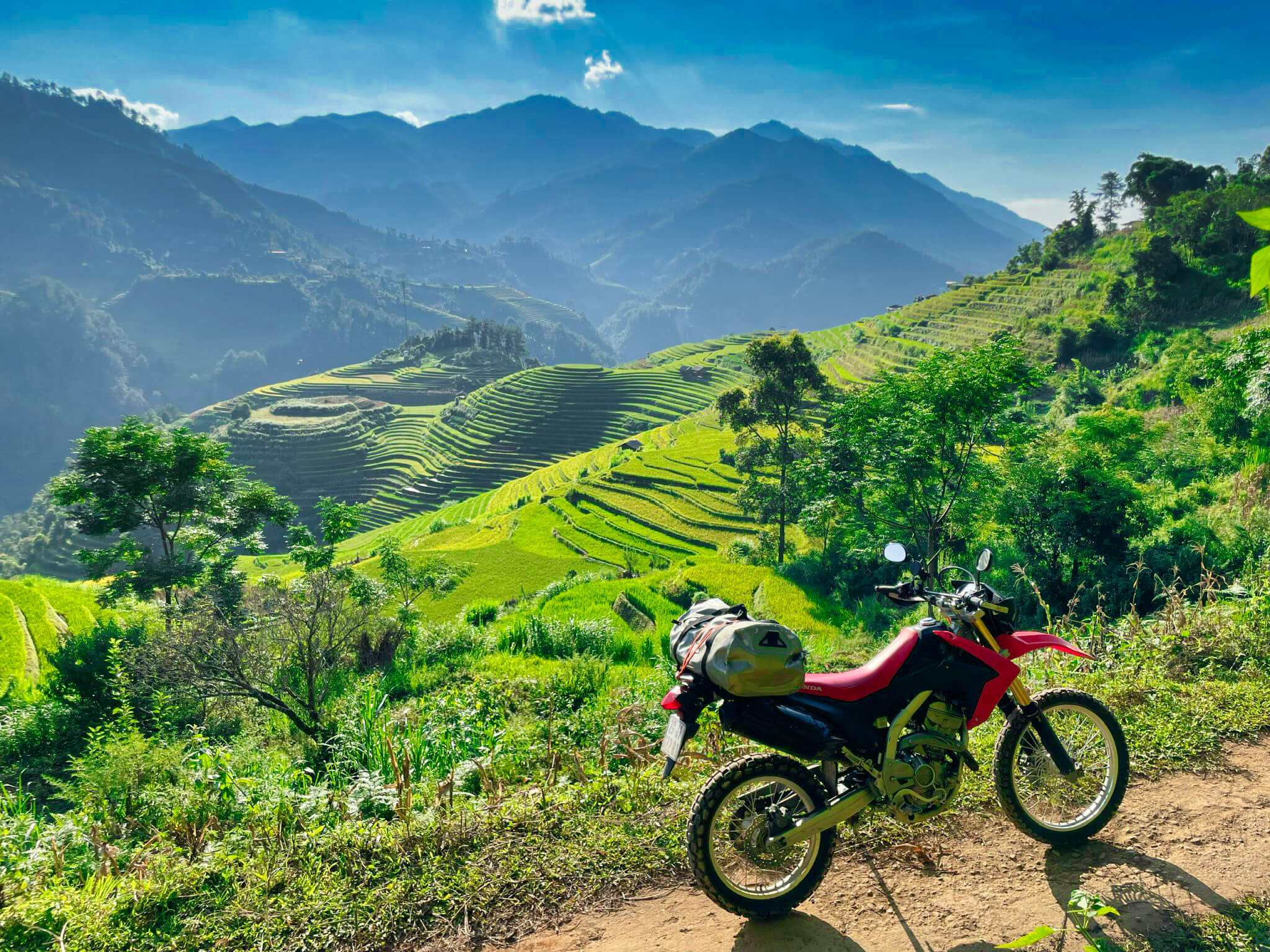
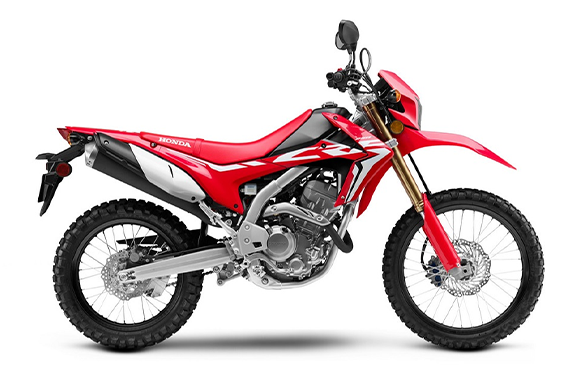
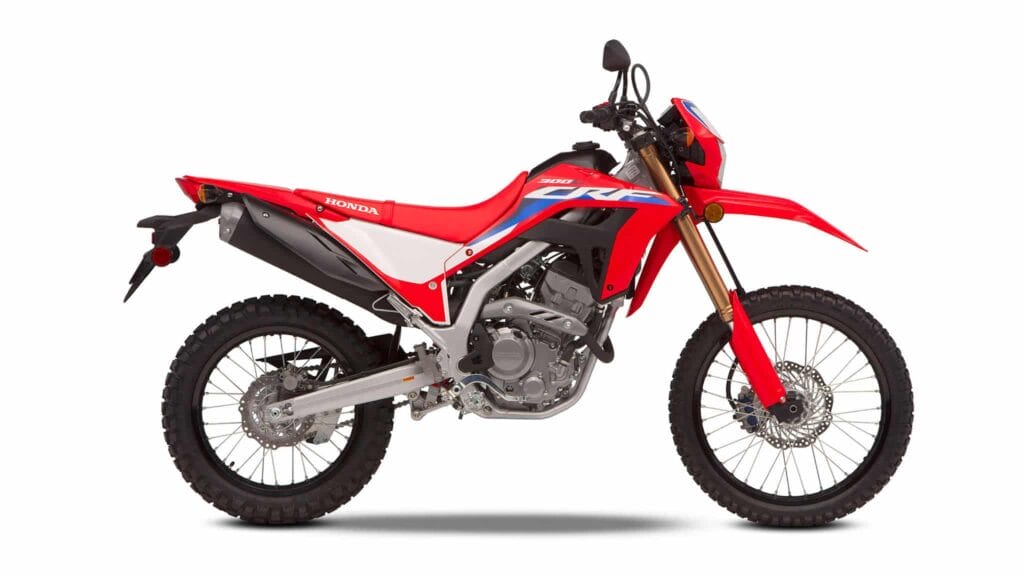
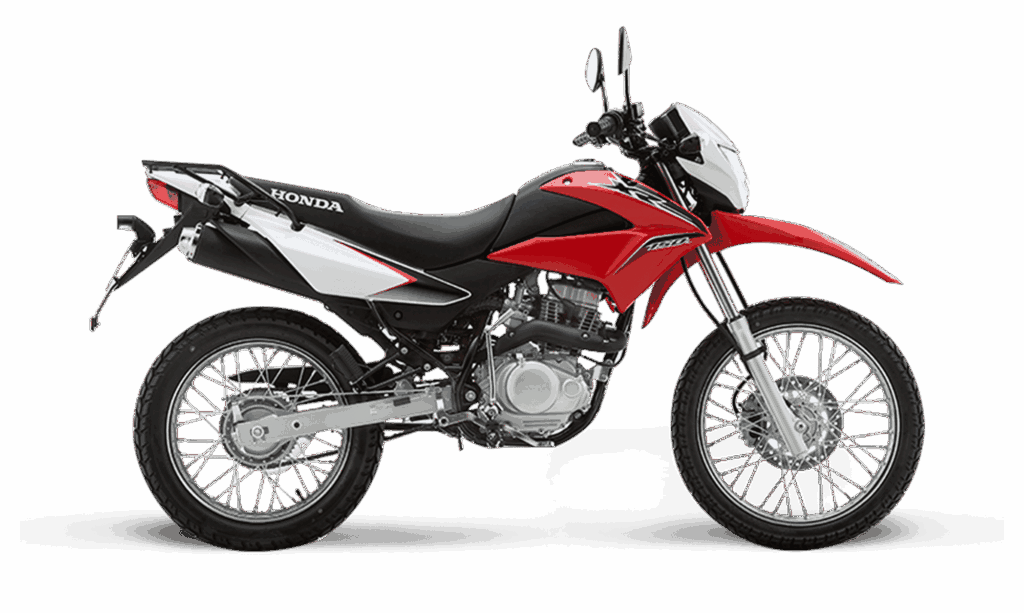
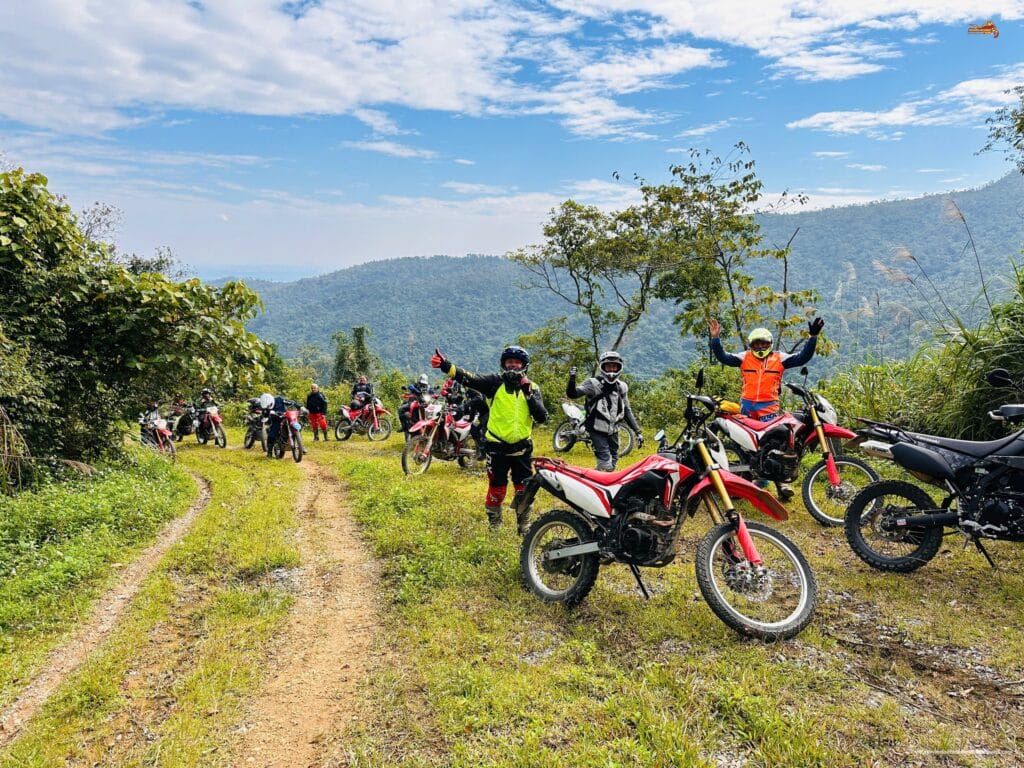
Lightweight dual-sport motorcycles such as Honda CRF250L, CRF300L or similar bikes are ideal. They provide enough performance for mountain roads while remaining manageable on technical terrain.
-
Can intermediate riders join the tour?
Yes. The guide can adjust selected technical sections according to the group’s ability. However, riders should already be confident operating a manual motorcycle.
-
What happens if heavy rain makes a trail impassable?
Our tour leader will select an alternative route. Northwest Vietnam’s mountain roads are highly weather-dependent, particularly during the rainy season, and rider safety always comes before completing a particular trail.
-
What is the best time to ride this route?
Generally, March–May and September–November provide some of the most enjoyable riding conditions. September and early October are particularly attractive around Mu Cang Chai because of the rice harvest, although weather can never be guaranteed.
-
Will we see the famous cloud sea at Ta Xua?
Possibly, but it cannot be guaranteed. Cloud inversions depend on temperature, humidity, wind and overnight weather conditions.
-
Is the tour suitable for passengers or pillion riders?
It can be arranged, but pillion riders should understand that some off-road sections can be rough. For particularly technical routes, alternative easier roads may be used.
-
Are support vehicles available?
Yes. A support vehicle can be arranged for larger groups or riders who want luggage transportation and additional logistical backup. Some narrow off-road tracks, however, cannot be accessed by support vehicles.
-
What happens if a rider cannot complete a technical section?
There is no pressure to ride beyond personal ability. Our guide can choose an easier alternative route whenever practical.
-
Is this tour mostly about riding or sightseeing?
It is primarily an adventure motorcycle expedition, but sightseeing and cultural experiences are integrated naturally into the route rather than added as separate tourist excursions.
-
Do we visit ethnic minority villages?
Yes. The route crosses areas inhabited by Muong, Thai, Hmong, Dao and several other communities. Riders are expected to behave respectfully when entering villages, photographing residents or visiting homes.
-
How many hours do we ride each day?
Usually around 5–7 hours, depending on road conditions, photography stops, meals and trail difficulty.
-
Is Dien Bien Phu worth including in a motorcycle tour?
Absolutely. Dien Bien adds a historical dimension that distinguishes this route from many conventional motorcycle tours. The battlefield complex includes A1 Hill, the former French command bunker and numerous historic sites connected to the decisive 1954 campaign.