Approx. 140 km | ~80% off-road | Final descent, river crossing (seasonal), hill tribe routes & victory ride home
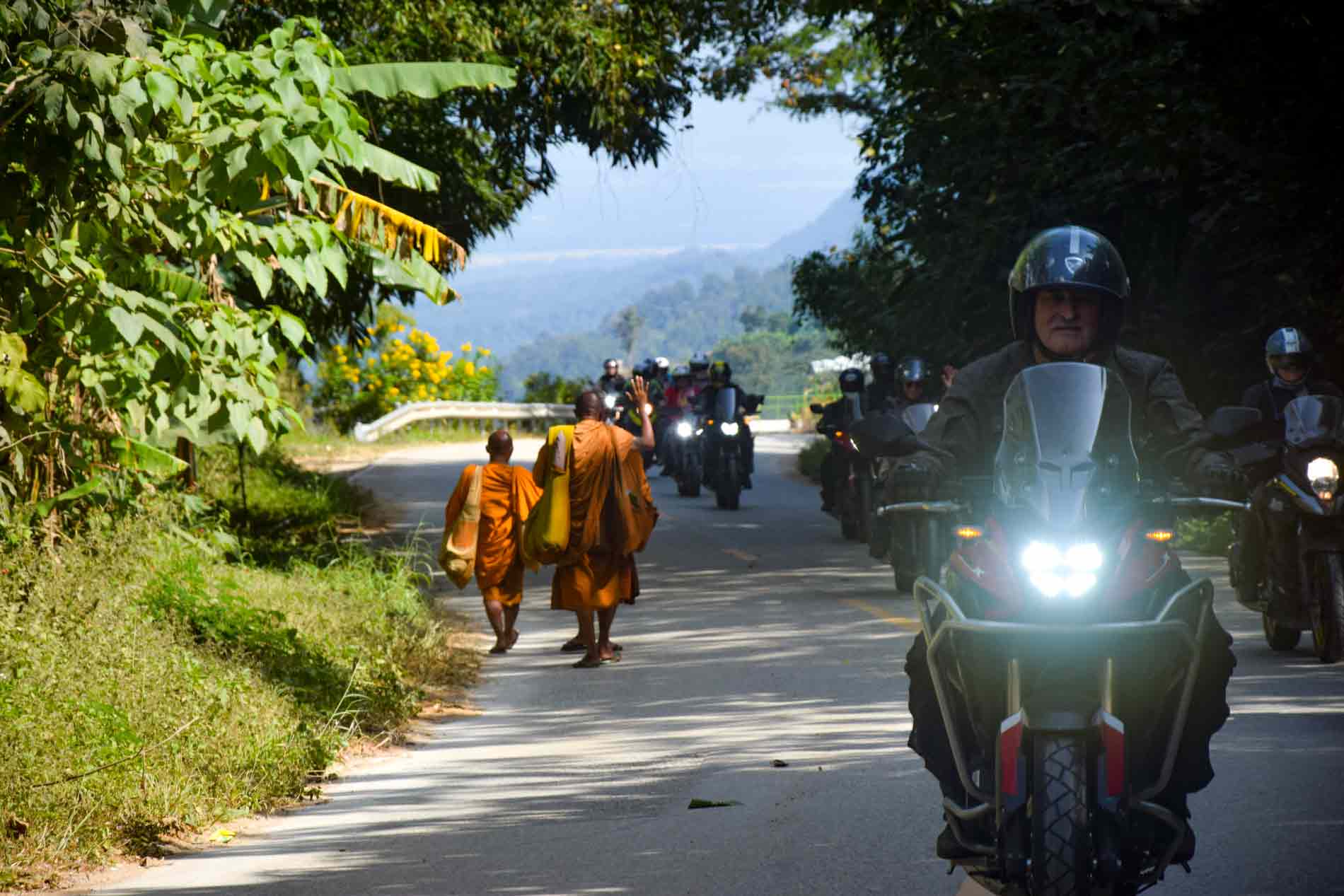
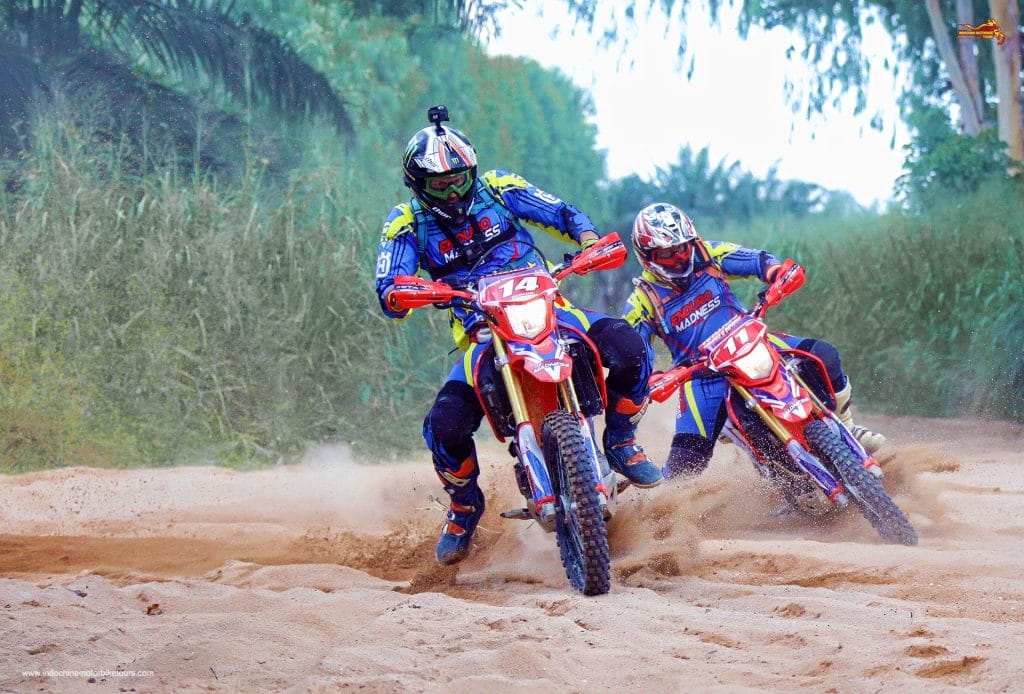
Your last riding day begins with breakfast in Wiang Haeng and one clear goal: finish strong, finish safe, and finish smiling. The morning delivers a thrilling mix of single track and 4WD trails that descend through the base of the northern ranges—sometimes described as “Himalayan foothills” in feeling rather than geography. It’s rugged, scenic, and extremely fun when ridden with control.
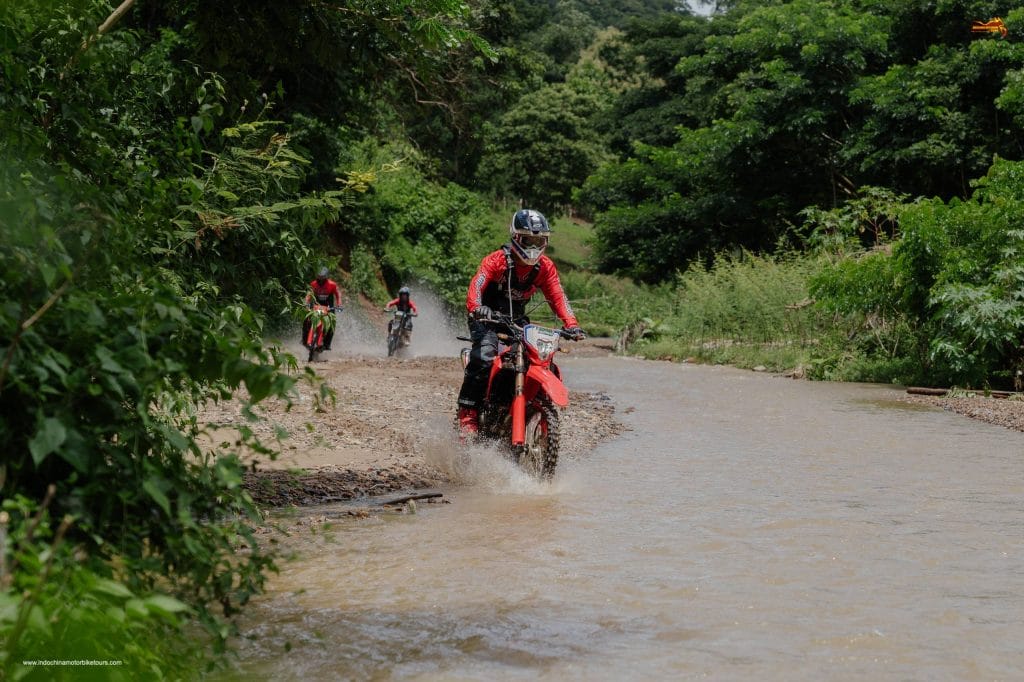
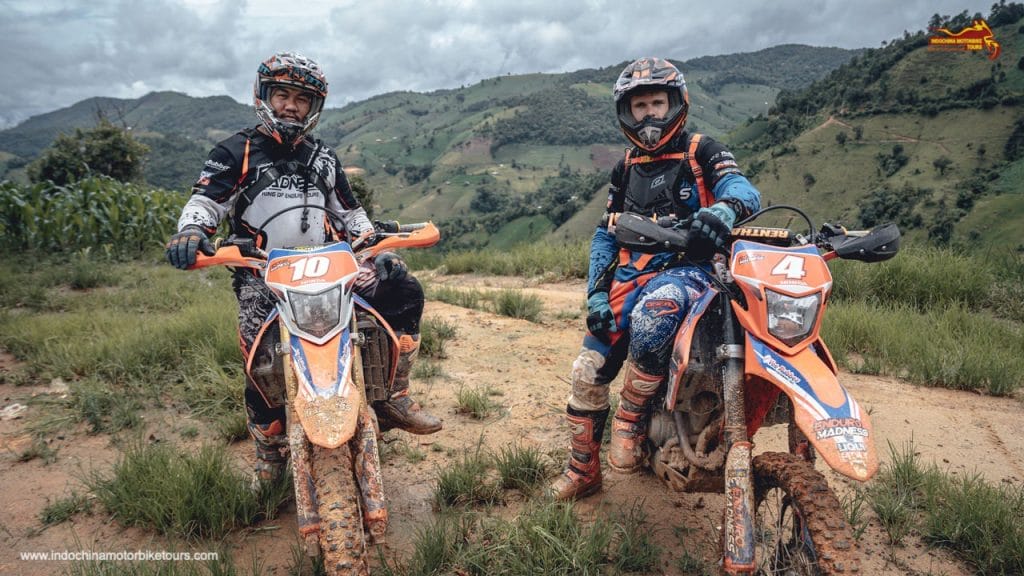
The terrain keeps changing: forest tracks, open ridges, then narrow corridors through hill communities. Depending on the time of year, you may cross a river or a suspension bridge—an iconic moment that makes the group pause, laugh, and take photos like kids again. In wet season, water levels and safety decide the exact crossing point; your guide will always choose the safest option.
Midday brings a well-earned local lunch at a scenic stop—simple Thai dishes that taste better because you’ve earned them through dust, climbs, and concentration. After lunch, the route continues through remote mountain tracks and hill tribe villages where life moves slowly—gardens, wood smoke, and small roadside shops selling cold drinks and snacks that feel like treasure.
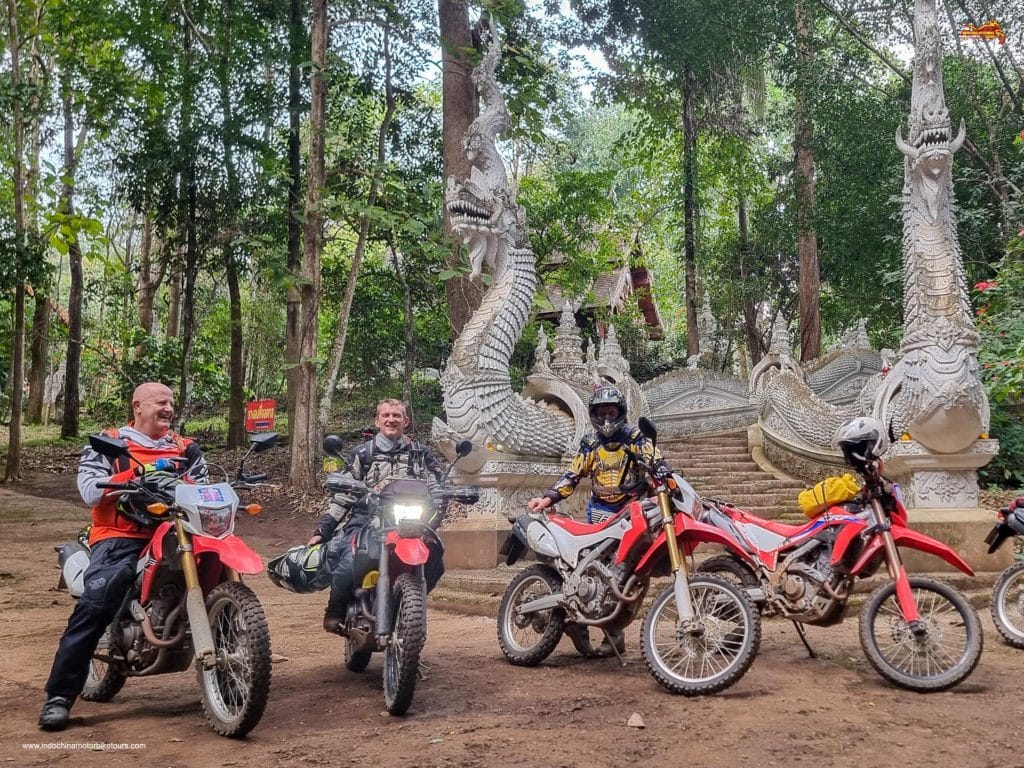
As you near Chiang Mai, the final section becomes a “victory lap”: faster flowing tracks, smoother gravel, then the gradual return to civilization. You arrive back at the office around 16:30 for a celebratory drink, congratulations, and transfers onward (hotel or airport).
You’ll leave with more than photos: you’ll carry the memory of Thai hospitality, mountain silence, jungle trails, and that feeling of freedom only a true offroad motorcycle tour can deliver.
Meals: Breakfast / Lunch
Ride notes: Strong finale with technical moments; adjust pace for fatigue and changing surfaces.
Note
Off-road percentages are approximate and may vary day-to-day depending on terrain, weather, safety considerations, and group ability.
* FAQs
1) What is the best season for this offroad motorcycle tour in Northern Thailand?
Best time: November to February (cooler, drier, best traction and visibility). March–April is hotter and dustier. May–October is the green season with higher rain risk—expect more MUDDY ROADS and route adjustments.
2) What rider level is required? Is this tour suitable for beginners?
This tour is best for intermediate to advanced off-road riders. Confident beginners may join if they’re fit, comfortable standing on the pegs, and open to coaching—but it’s not ideal for first-time off-road riders.
3) How much off-road riding is there each day?
Typically 75–85% off-road depending on weather, trail access, and group pace. The guide may swap in safer connectors if conditions demand.
4) What type of bikes are used (enduro / dirt bike)?
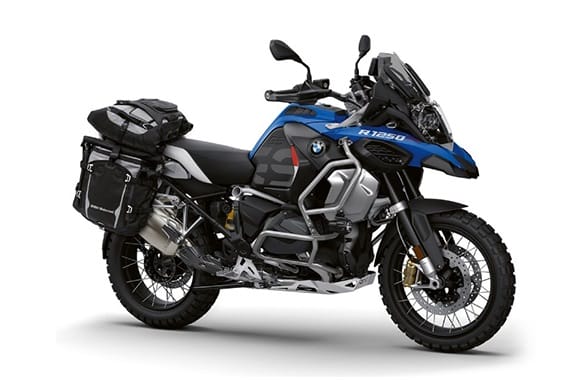
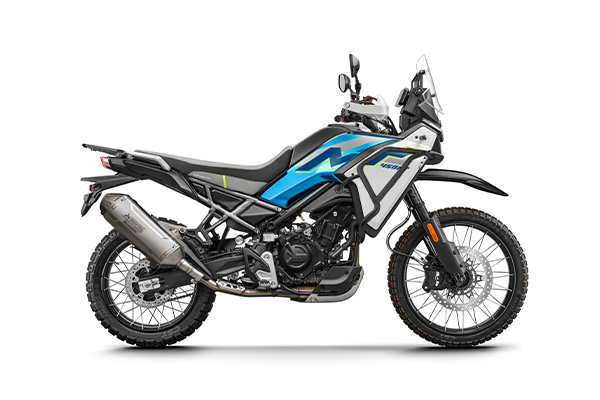
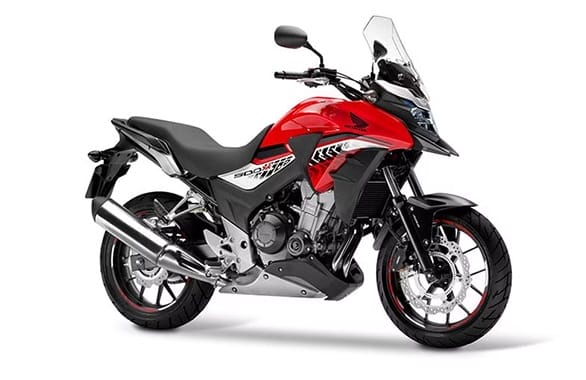
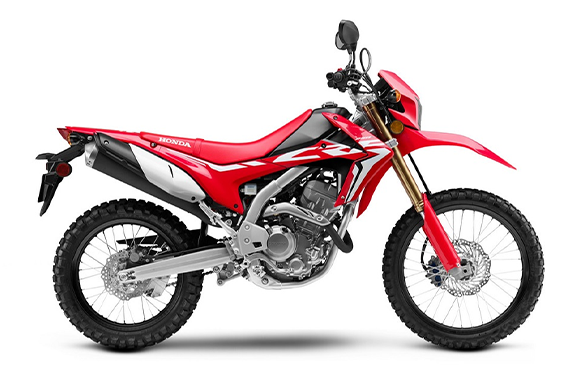
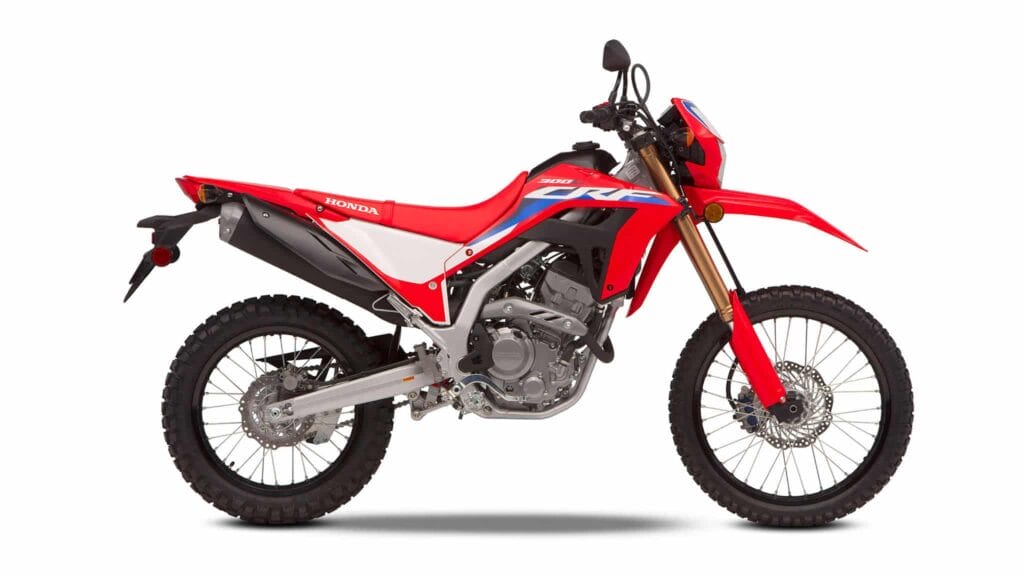
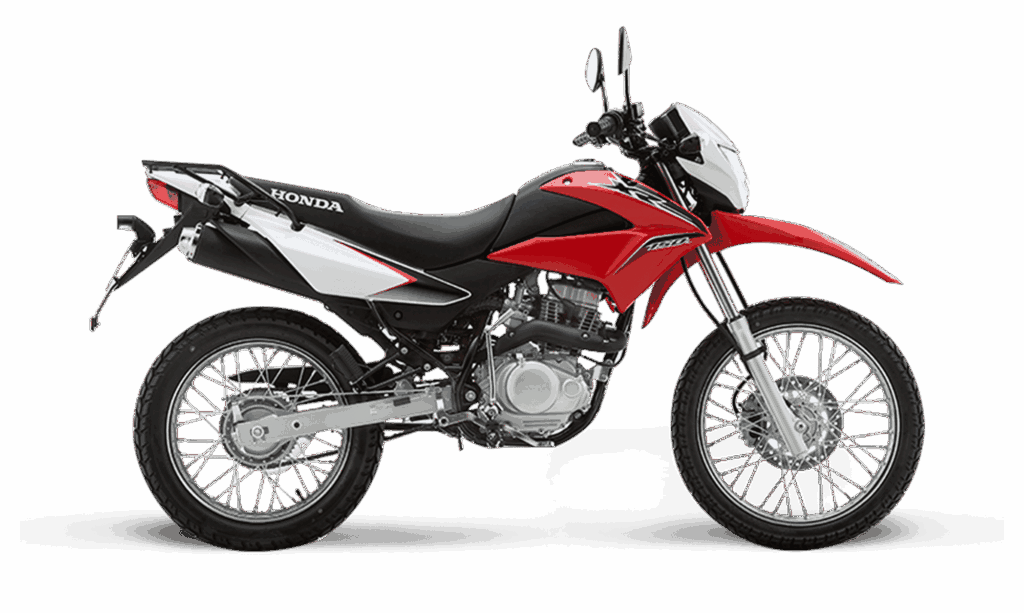
Most operators run enduro-style bikes suitable for dirt tracks and single trails (common choices include 250–350cc trail/enduro models). Exact models depend on availability and rider size/skill.
5) Can I choose an easier route if I’m tired or less technical?
Yes. Day 4 is designed with two route options (recovery cruise vs technical loop). On other days, the guide can often offer easier lines around technical sections when possible.
6) What are the trail conditions like?
Expect mixed terrain: dirt tracks, gravel roads, jungle single trails, rocky climbs, ruts, and occasional river crossings/bridges (seasonal). After rain, traction can change quickly.
7) What happens if it rains heavily?
Safety comes first. The guide may reduce single track sections, avoid steep clay hills, and reroute around risky crossings. Rain can turn some segments into MUDDY ROADS—fun, but only when safe.
8) Is this tour safe? What safety support is included?
With professional guiding, proper briefing, and smart pacing, it’s very manageable. Safety typically includes route scouting decisions, group riding rules, first-aid readiness, and support for mechanical issues (exact support setup depends on operator).
9) Do I need an international driving license (IDP) in Thailand?
Legally, you should have a valid motorcycle license plus an IDP that matches your home license. Requirements can vary in enforcement—best practice is to carry correct paperwork and travel insurance that covers motorcycling.
10) What about travel insurance for off-road riding?
Choose a policy that explicitly covers motorcycle riding/off-road activities, engine capacity, and “adventure sports.” Always check exclusions (unpaved roads, racing, alcohol, no license).
11) What should I pack for a 5-day offroad motorcycle tour?
Essentials: lightweight riding jersey/pants, gloves (2 pairs), hydration pack, goggles, rain jacket, base layers, quick-dry socks, sunscreen, bug spray, power bank, and a small personal medical kit.
12) What riding gear is provided vs what should I bring?
Many tours provide basic protective gear, but riders usually prefer bringing personal helmet, goggles, gloves, boots for comfort and fit. Confirm exact gear inclusion with the operator.
13) What is the daily riding schedule like?
Most days: breakfast, depart around 09:00–09:30, ride in trail segments with photo breaks, lunch mid-day, then afternoon trails into the next destination. Return typically late afternoon.
14) What food and dietary needs can be accommodated?
Thai meals are typically included for lunch, with dinner options in town. Vegetarian and allergy-friendly meals are often possible if arranged in advance.
15) What accommodation standard should I expect?
A mix of charming Thai-style lodges and 3–4 star resorts with Western comfort. Some nights offer upgrade options for extra comfort.