DAY 1 WELCOME TO LEH AND ACCLIMATISE
Route: Leh arrival and local orientation
Distance: Approx. 10-20 km local transfers
Riding / Touring Time: 3-4 hours at a gentle pace
Altitude: Leh approx. 3,500 m / 11,500 ft
Road: Paved town roads
Overnight: Hotel in Leh
Meals: Breakfast and dinner
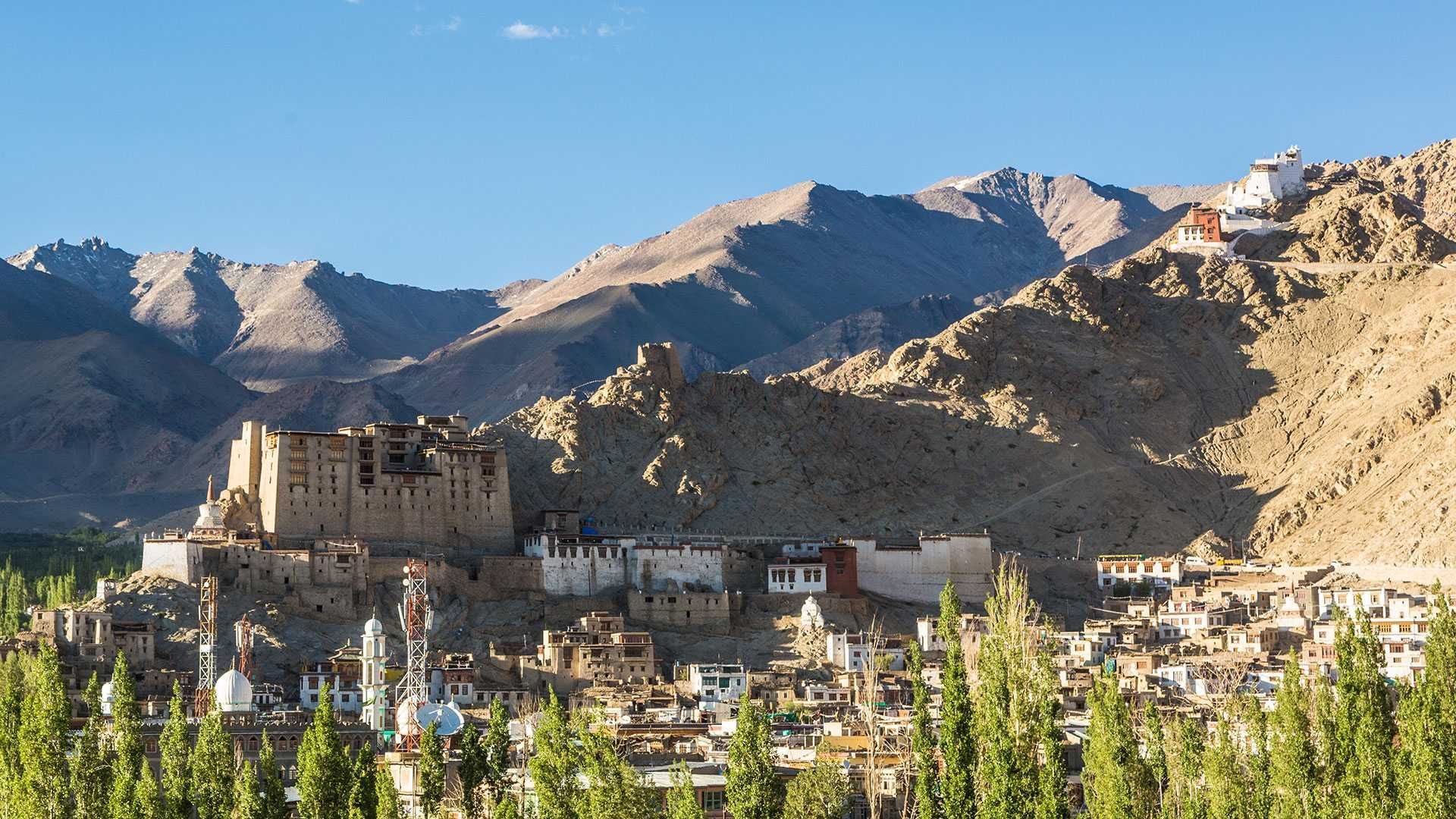
Highlights: Leh Market, Leh Palace viewpoint and motorcycle briefing
Leh sits high above the Indus, and the first day is deliberately quiet. After transfer to the hotel, meet the road captain and mechanic, fit the motorcycle and check controls, protective gear and luggage. A short walk around Leh Market can introduce the old trading town through its narrow lanes, prayer wheels and small shops, but rest is the main activity. The mountains make the place feel close and welcoming, yet the thin air requires patience from even fit travellers.
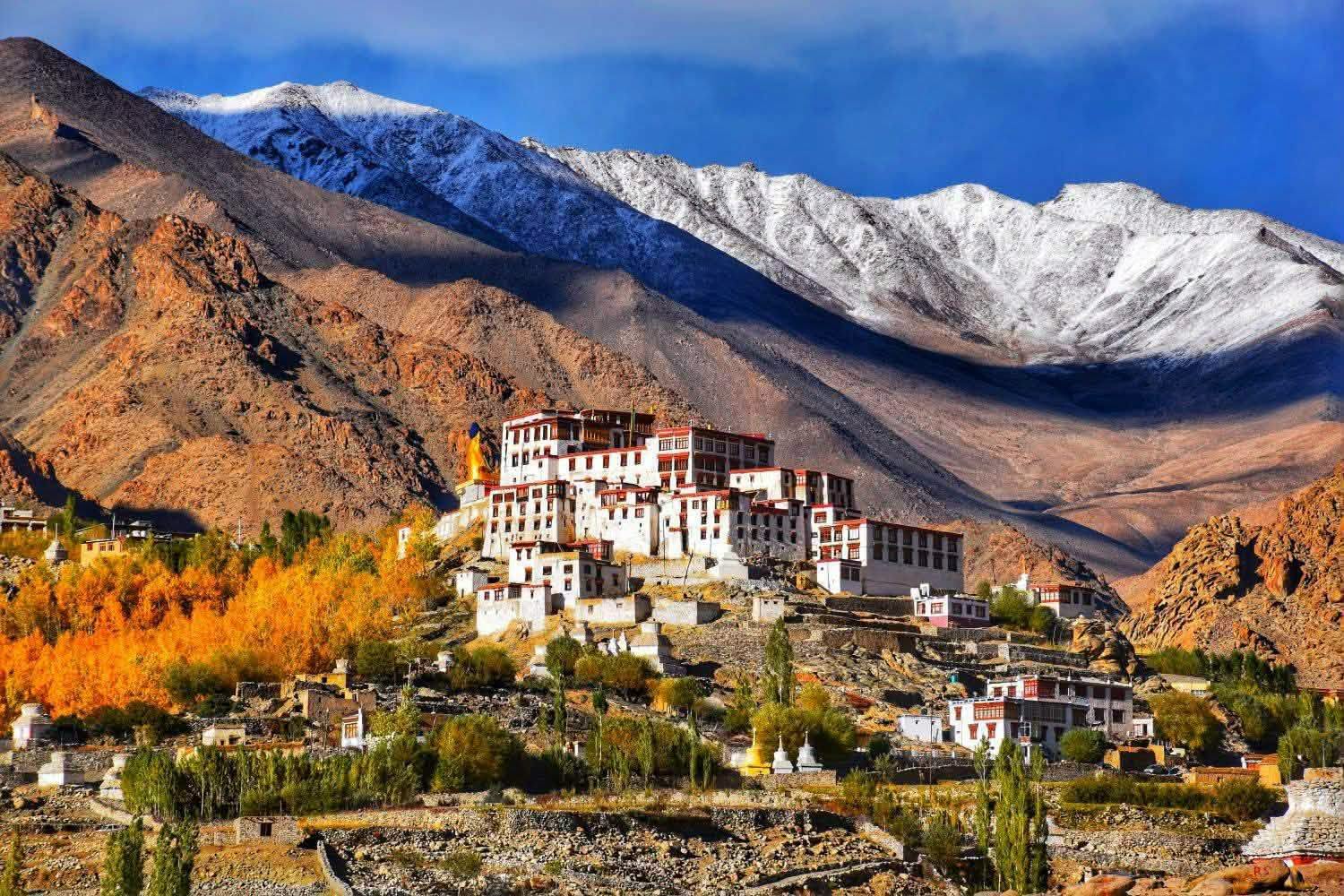
Leh’s position once made it a crossroads between Kashmir, Tibet, Central Asia and the Indian plains. Caravans carried salt, wool and tea through the region, and the Namgyal rulers built Leh Palace above the town to oversee a prosperous highland capital. Today, the bazaar blends Ladakhi and Tibetan influences with modern life. If everyone feels well, enjoy a brief viewpoint or tea stop; strenuous sightseeing can wait until the body has begun to adapt.
The District Administration advises at least 48 hours of acclimatisation after arriving in Leh before travelling to higher areas. Drink regularly, eat lightly, avoid alcohol and report headache, nausea, unusual fatigue or breathlessness. Riders arriving by air should protect this rest period and consider arriving early. Check permits, personal medication and insurance documents with the operator. The next days cross high passes and remote valleys, so the expedition begins with listening carefully to the body.
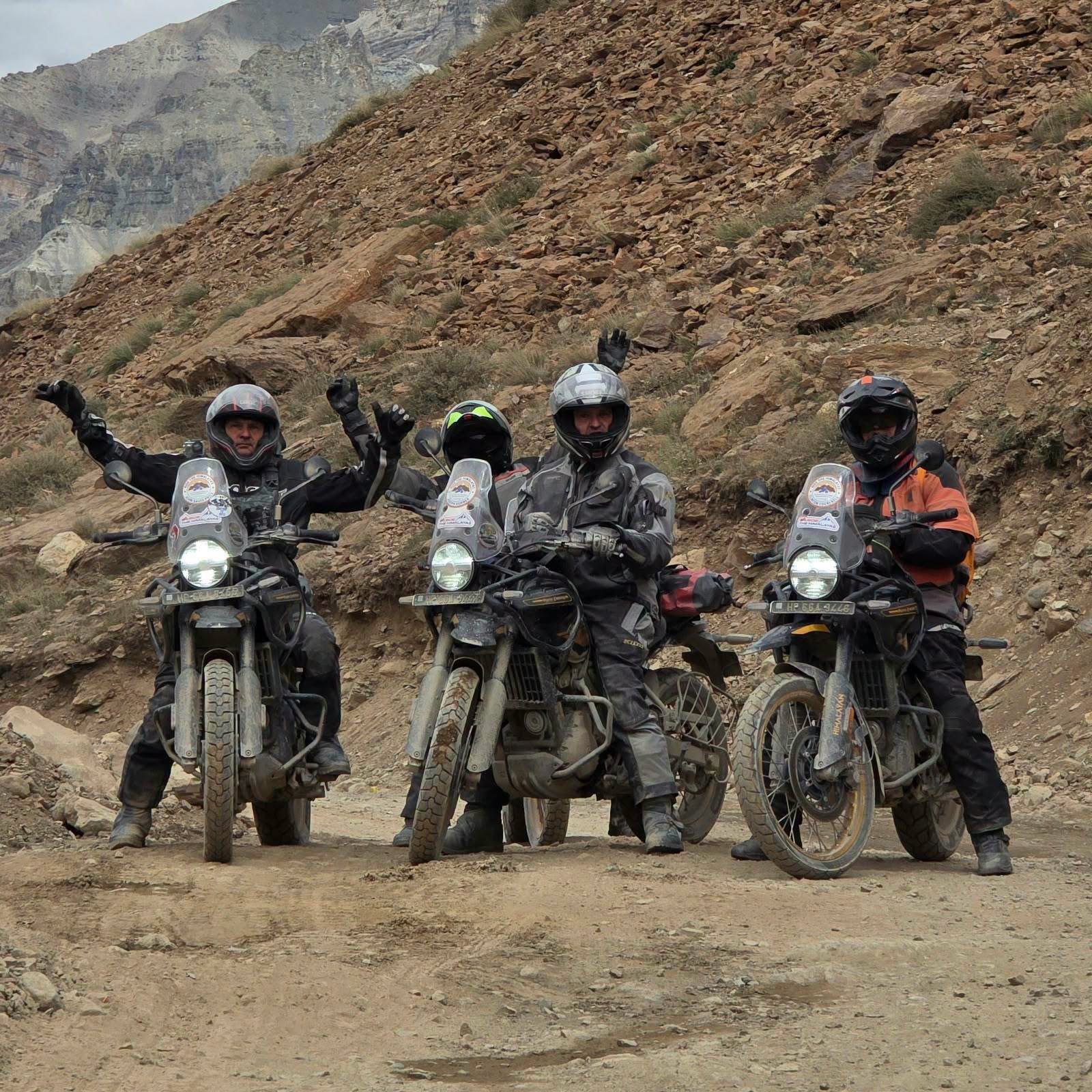
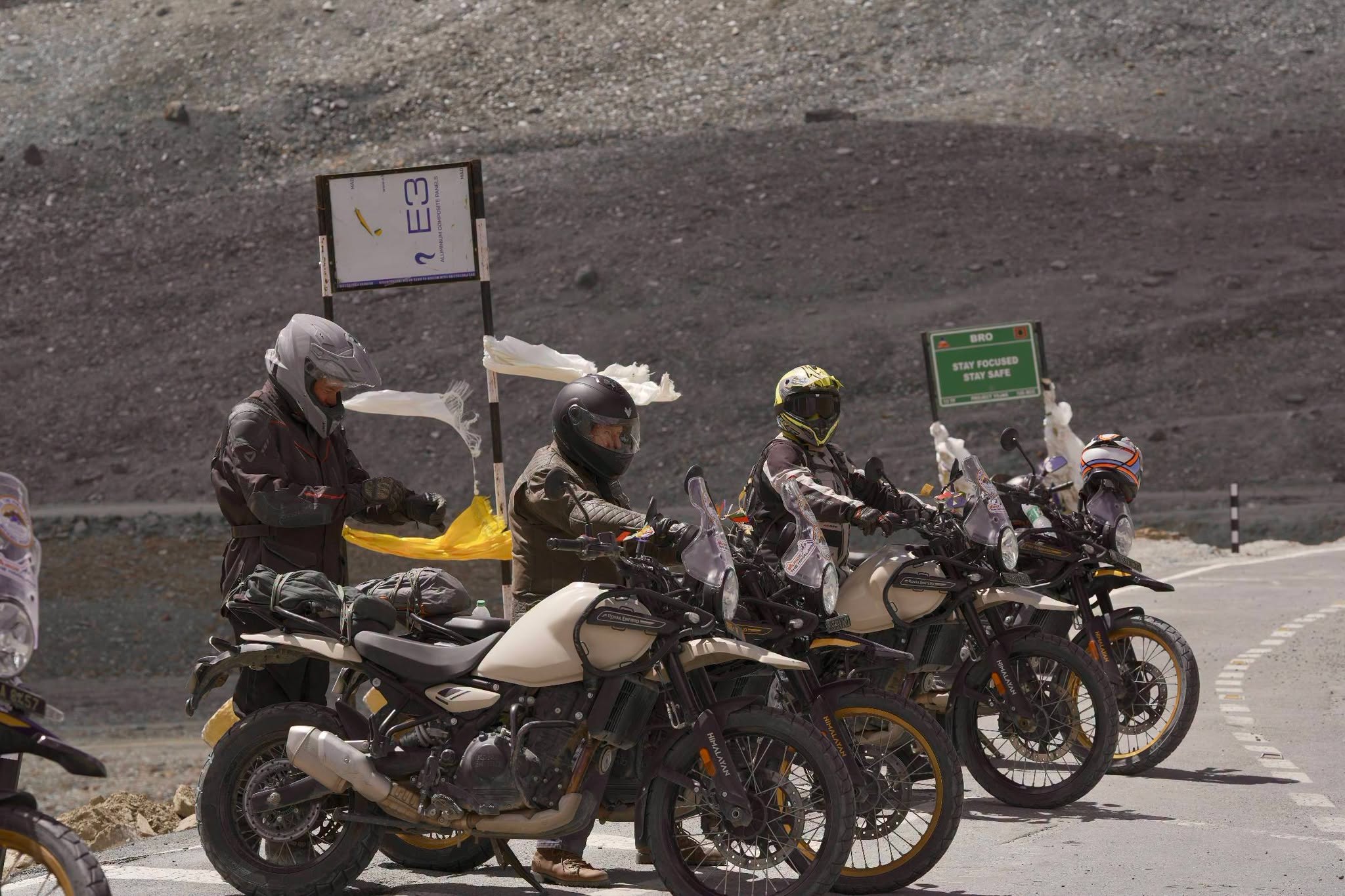
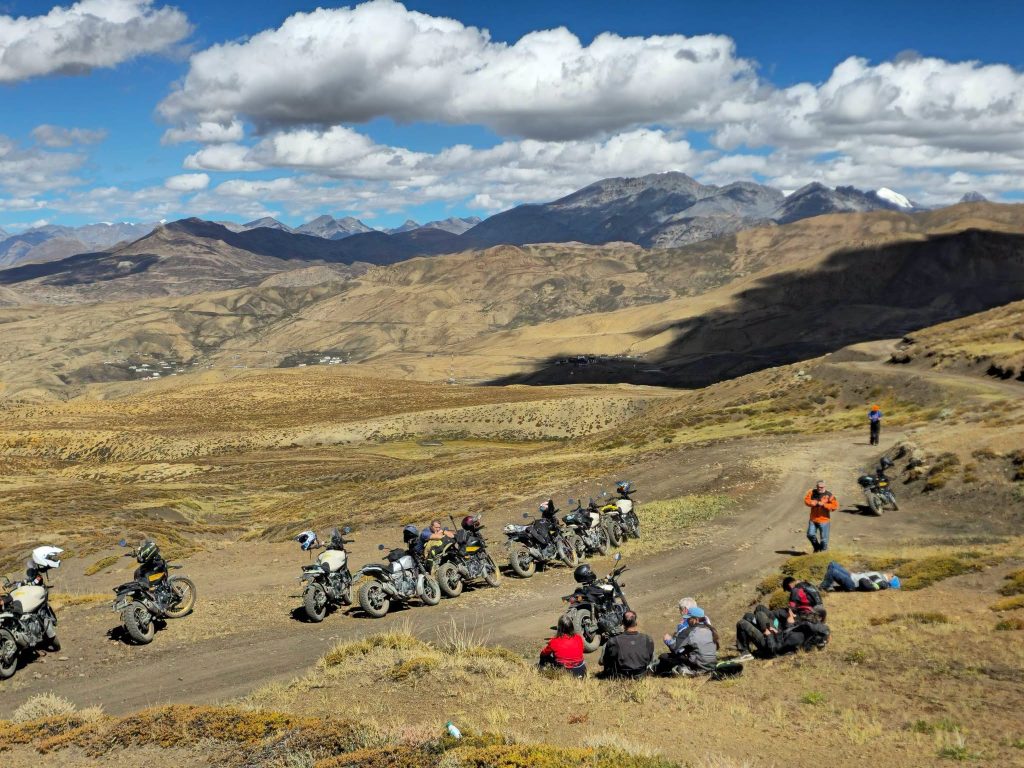
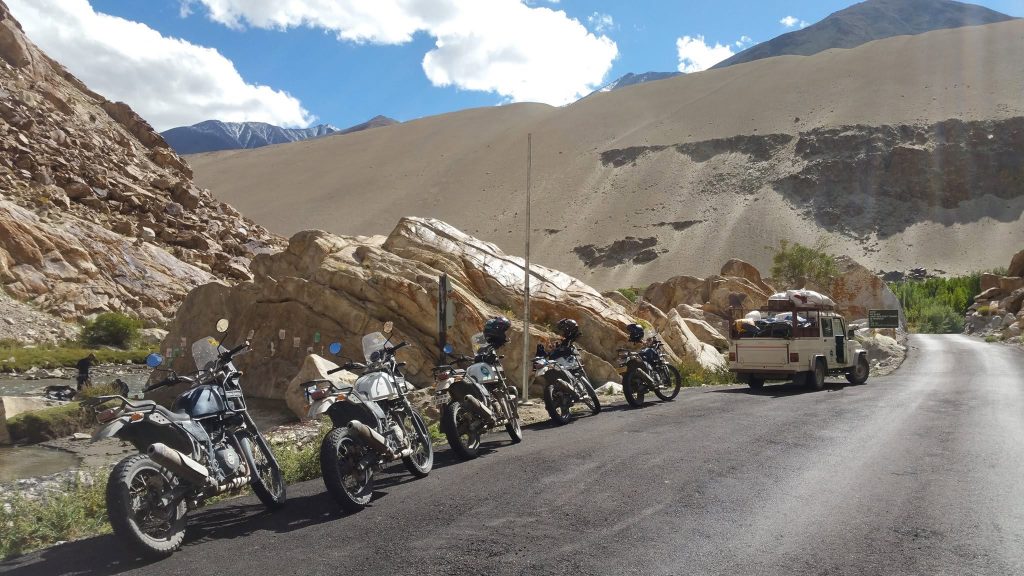
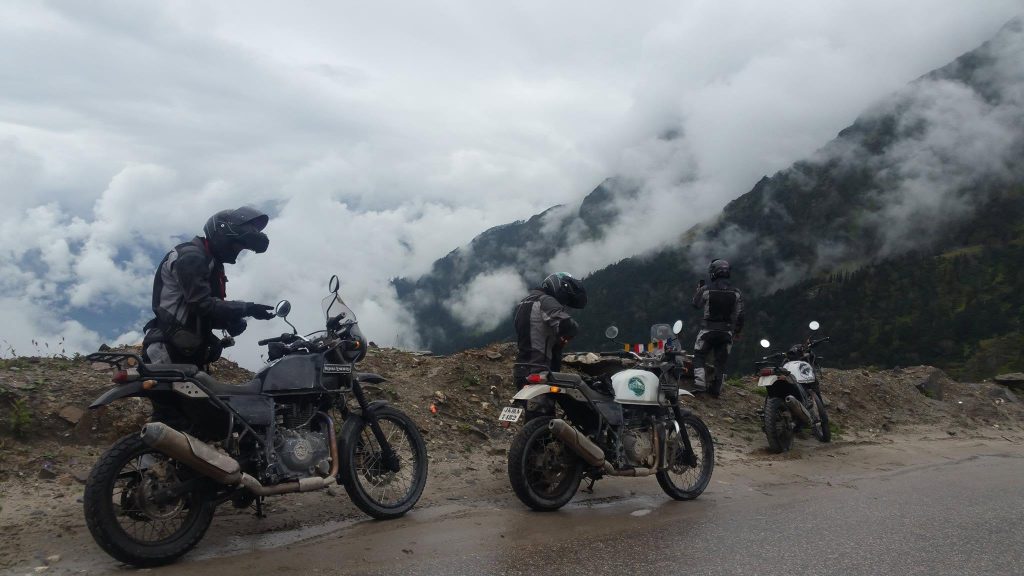
The best riding rhythm today is steady rather than fast. The road links Leh arrival and local orientation with Leh arrival and local orientation, and the changing surface asks riders to keep their eyes beyond the next bend. Check mirrors before slowing, signal clearly, and allow the motorcycle ahead to finish a rough section before entering it yourself. At viewpoints, park fully off the road and keep the group visible to other traffic. Short, regular pauses help with hydration and concentration, especially when cold wind or altitude makes fatigue difficult to recognise. Local tea stops and brief conversations can bring the route into focus, but timing must remain flexible for checkpoints, weather and road repairs. The destination matters; arriving together and alert matters more.
Safety Notification:
Keep a safe pace, stay with the group and report any change in health or motorcycle condition immediately. Road access, weather, permits and local instructions can change the plan; follow the road captain and turn back whenever conditions require it.