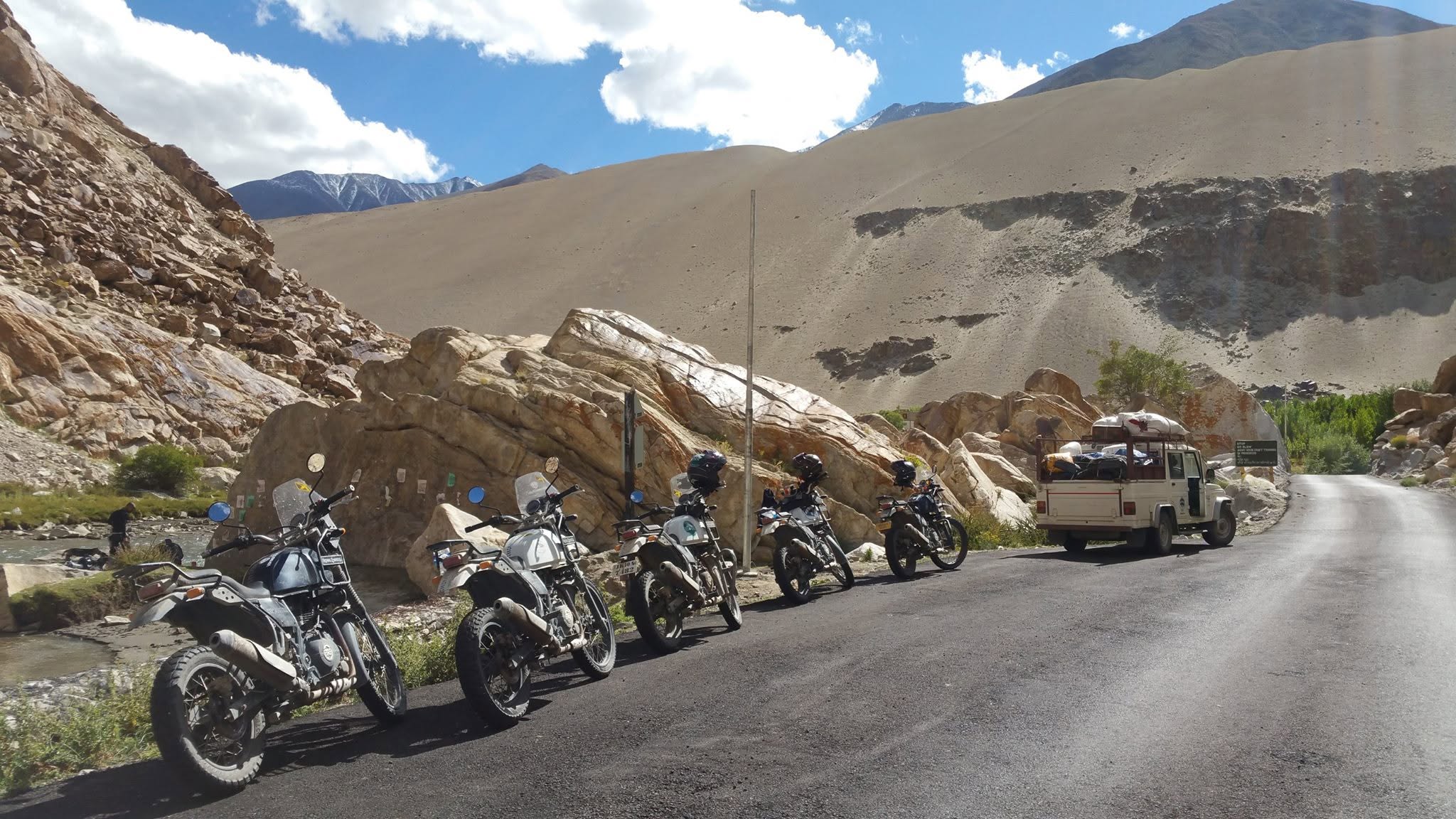
15 Day Ladakh Himalayan Adventure Motorcycle Tour
15 days · Trans-Himalaya Max riders Royal Enfield Ten departures a year

15 Day Ladakh Himalayan Adventure Motorcycle Tour

Route
20 Waypoints Circuit View Itinerary
Delhi Leh Hemis Thiksey Alchi Temisgam Lamayuru Kargil Padum Zangla Karsha Shinku La PASS Jispa Baralacha La PASS Tso Kar Hanle Umling La PASS Chumathang Leh Delhi
Duration15DAYS RIDING
FleetRoyal EnfieldHIMALAYAN 450 CC
GroupSmall GroupMAX 15 RIDERS
SupportVan & MechanicEXPEDITION BACKUP
DepositInquireBOOKING TERMS

Tour Overview & Highlights

15 DAYS

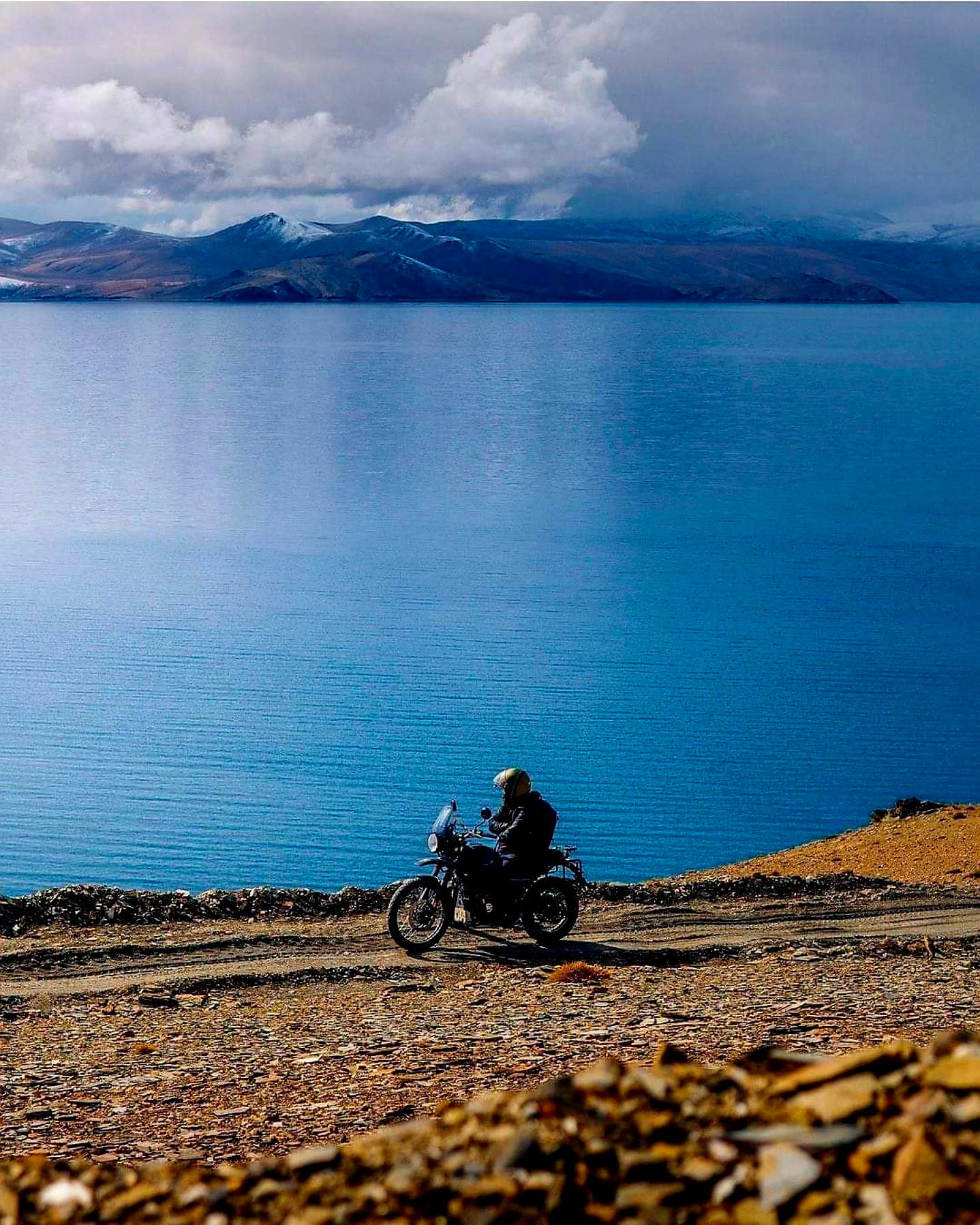
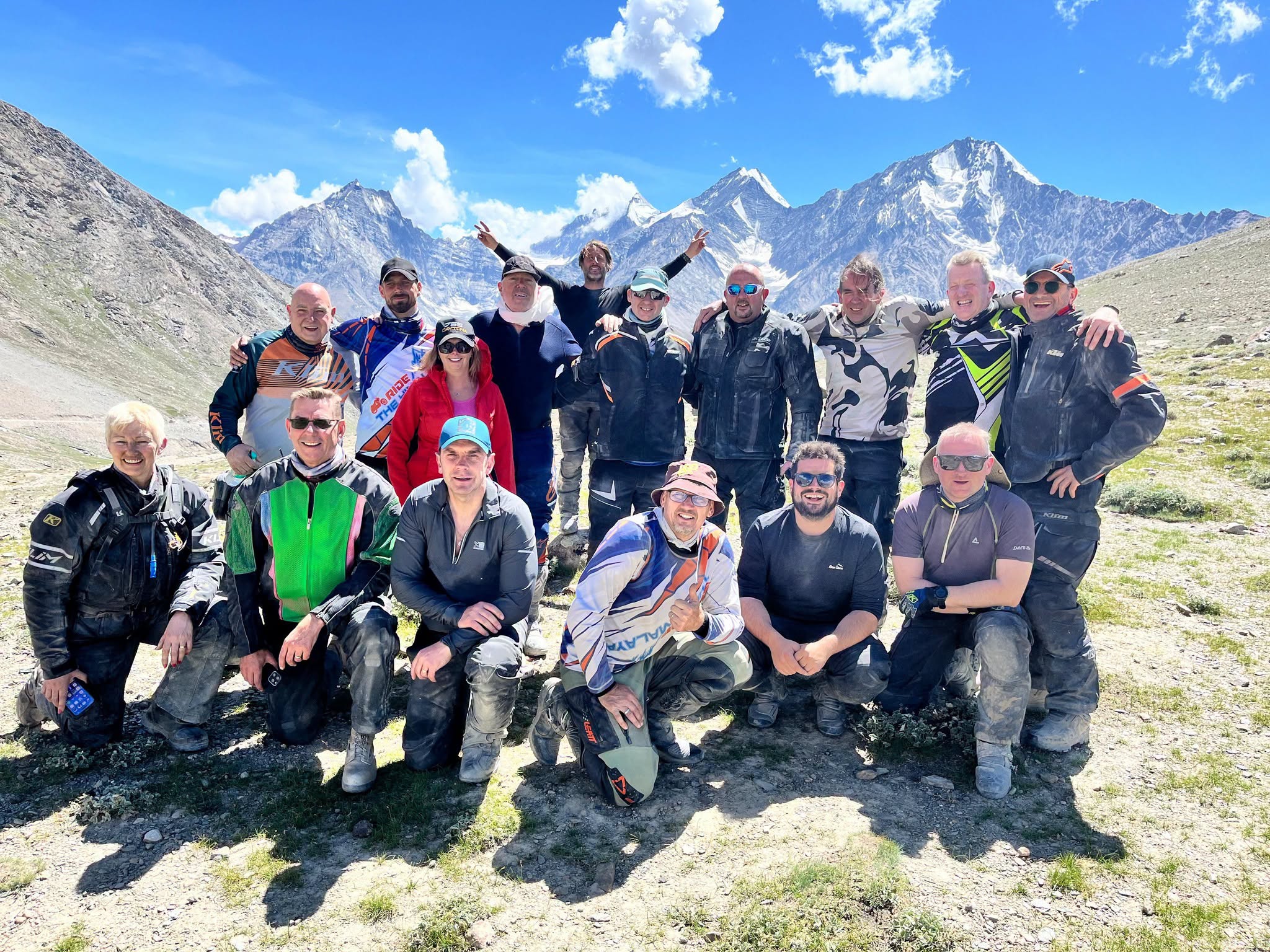
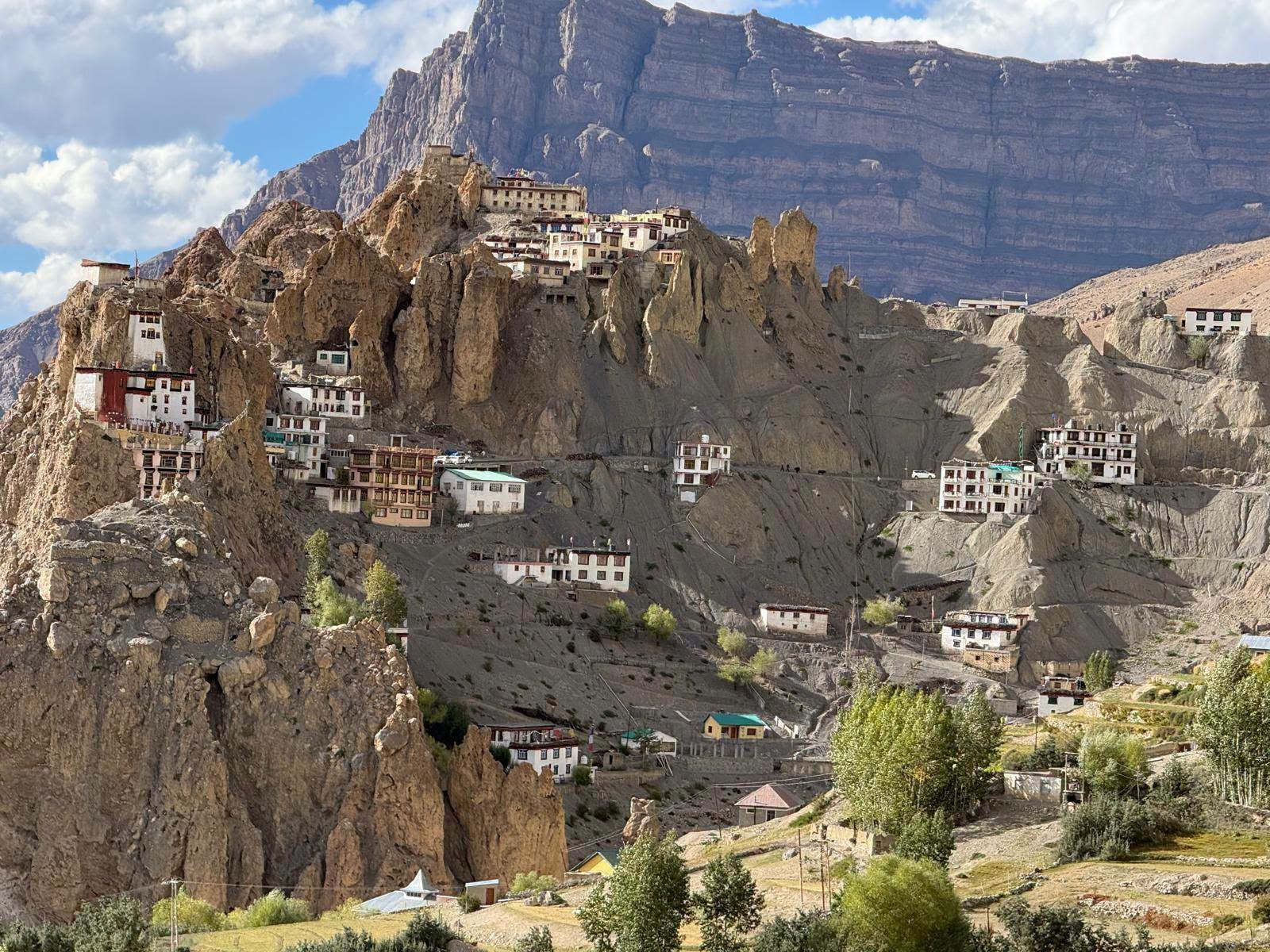
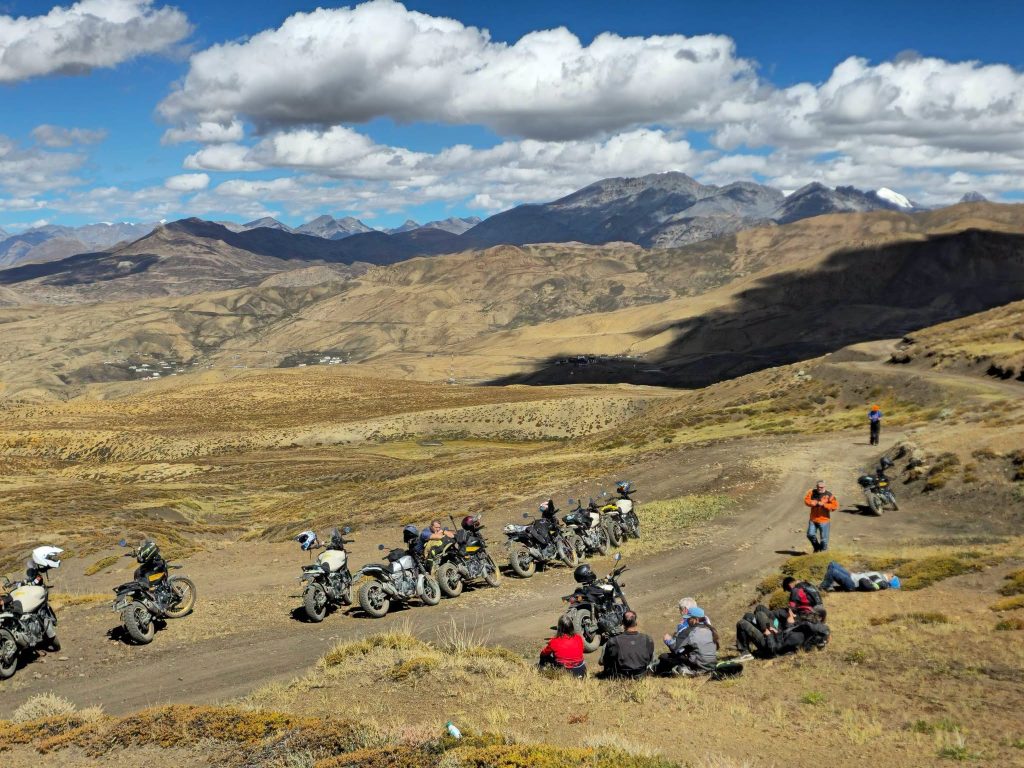
Ride from Ladakh’s painted monasteries into the deep valleys of Zanskar, then cross the high backbone of the Himalayas towards Jispa, Tso Kar and remote Hanle. This fifteen-day Delhi-to-Delhi motorcycle expedition links ancient Indus Valley settlements, Lamayuru’s moonlike landscape, Suru Valley, Padum and the new road across Shinku La. Beyond Jispa, the route returns to Ladakh over Baralacha La and the great plateau roads, finishing with Hanle’s dark skies and an optional Umling La challenge. Designed for experienced riders, the journey balances demanding distances with village encounters, Buddhist heritage and the silence of high-altitude country. It is a seasonal expedition rather than a routine circuit: road openings, restricted-area permissions, weather and rider condition determine the final line. With thoughtful acclimatisation and practical flexibility, the tour reveals how dramatically culture and landscape change from one Himalayan valley to the next.
This is a compact remote-area expedition. Add a spare day whenever possible for acclimatisation, weather, road closures or flight disruption. Distances and travel times are indicative planning ranges; moving time excludes sightseeing, meals, fuel stops, checkpoints and unexpected delays.
Accommodation, motorcycle model, support vehicles, permits and inclusions follow the final written quotation. The proposed meal basis is breakfast and dinner as specified each day; lunches and drinks are additional unless agreed otherwise. The itinerary operates only on roads authorised for the group.

Trip's Video

TRANS-HIMALAYA EXPEDITION FOOTAGE

Expedition Itinerary

15 DAYS · DETAILED ROUTE
01

DAY 1  ARRIVAL IN DELHI AND WELCOME TO INDIA

Distance: Approximately 15–30 km by vehicle, depending on the hotel
Travel time: Around 30–90 minutes for the airport transfer; traffic dependent
Road conditions: Paved urban roads; no motorcycle riding
Altitude: Delhi approximately 200–250 m
Highlights: Arrival in India; optional gentle introduction to New Delhi
Meals and overnight: Dinner; hotel in Delhi

Delhi introduces the journey with movement, warmth and a very different sense of scale from the mountains ahead. After landing at Indira Gandhi International Airport, meet the local representative at the agreed arrival point and transfer to your hotel. The drive may pass broad avenues, busy neighbourhoods and the changing outlines of a city that has grown around many centres of power. For today, the most useful plan is a comfortable arrival and time to recover from the flight.

Check in when the room is available, unpack only what you need for the night and let the pace settle. Early arrival does not automatically include immediate room access, so arrange an extra night if guaranteed early check-in is important. A shower, a light meal and some sleep will do more for tomorrow’s journey than a hurried afternoon of sightseeing. Keep your riding equipment organised for the domestic flight, with important documents and essential medication easy to find.

If flight timing and energy allow, a short, optional outing can offer a first taste of New Delhi. Lodhi Garden is a pleasant possibility, where paths lead between lawns, mature trees and historic tombs. A vehicle drive past India Gate is another option with limited walking. Choose one gentle experience with the local team rather than attempting a full city tour. These visits depend on available time and are priced separately unless included in your confirmed arrangements.

The welcome briefing covers the next morning’s flight to Leh and the practical shape of the expedition. Check domestic baggage allowances, meeting arrangements and how riding luggage will travel. The team also reviews dietary requests, emergency contacts and the permit documents required later in Ladakh. This is a useful moment to raise questions about motorcycle fit or previous mountain travel, before the daily rhythm becomes more remote.

Dinner brings an easy introduction to Indian food, with familiar choices available for anyone still adjusting after a long journey. Eat comfortably, drink normally and leave time for an early night. Delhi is the gateway to this Himalayan motorcycle adventure; tomorrow’s flight brings a sharp change in altitude and climate. There is no riding today, and the first stages in Leh are deliberately gentle so that the journey begins with patience and a clear head.

Safety notification: Confirm domestic flight baggage limits and keep passport, visa, medication and valuables accessible. Delhi sightseeing remains optional.

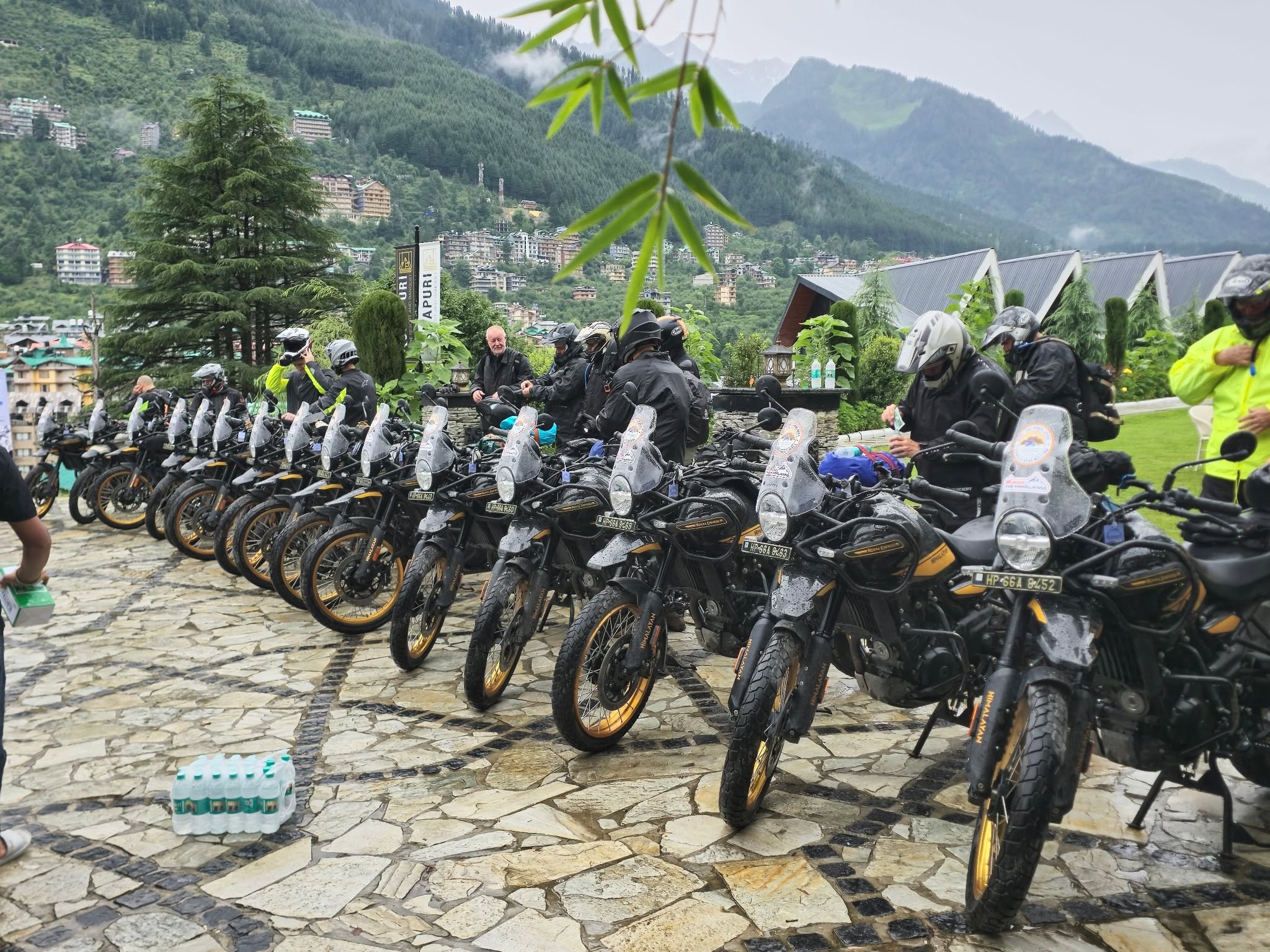
02

DAY 2  DELHI TO LEH AND TIME TO ACCLIMATISE

Distance: Approximately 20–40 km of combined airport transfers; domestic flight additional
Travel time: Flight around 1½ hours; allow 4–6 hours overall with transfers and check-in
Road conditions: Paved airport and town roads
Altitude: Leh approximately 3,500 m
Highlights: Mountain arrival, Leh’s setting and first impressions of Ladakhi life
Meals and overnight: Breakfast if flight timing permits and dinner; hotel in Leh

An early transfer takes you to Delhi Airport for the flight to Leh. As the aircraft approaches Ladakh, bare ridges fold into one another, snow brightens the higher summits, and narrow strips of cultivation trace the places where water makes settlement possible. Arrival at Kushok Bakula Rimpochee Airport brings you straight into this mountain world. Meet the local team and travel to your hotel, keeping the short transfer comfortable and the remainder of the day restful.

At around 3,500 metres, Leh asks you to slow down. Settle in, have something light to eat and rest, even if the excitement of arriving makes you feel ready to explore. A quiet first afternoon gives the coming motorcycle journey a better beginning. Keep water within reach, avoid alcohol and allow yourself an early night. There is no scheduled ride or strenuous sightseeing today, and the palace steps can wait until you have had time to adjust.

A brief welcome meeting introduces your fellow travellers and the shape of the route. Your leader explains the planned overnight stops, the regrouping system and the way decisions are made when road conditions change. Share relevant health information, previous altitude experiences and any dietary needs. Have passport and permit documents available, then leave detailed equipment work for a more suitable moment. The team reconfirms tomorrow’s gentle programme and the arrangements for luggage, meals and communication.

From a sheltered terrace or the hotel windows, the town itself offers plenty to absorb. Leh developed as a meeting place on routes linking Ladakh with neighbouring Himalayan and Central Asian regions. Its old lanes, Buddhist monuments and places of worship reflect those connections. The palace above town belongs to this longer story of trade and royal patronage. Today, simply watching everyday life gives these landmarks a setting before you visit them more closely.

If you feel entirely well, a short, level walk close to the hotel may offer a first friendly “julley”, the versatile Ladakhi greeting you will hear throughout the trip. Keep it brief and return for dinner and rest. Tomorrow is another gentle day, with any monastery visits by vehicle. Motorcycle riding begins only after at least 48 hours from your actual arrival in Leh and when you feel well. Flight timing may require a later start on Day 4 or an additional acclimatisation night.

Safety notification: Report headache, nausea, dizziness or unusual fatigue promptly. Keep the first day restful and do not ride while unwell.

03

DAY 3  HEMIS AND THIKSEY WITH GENTLE ACCLIMATISATION

Distance: Up to approximately 90–110 km by vehicle; shorter circuit if needed
Travel time: Around 2½–3½ hours driving; allow 4–6 hours with short visits
Road conditions: Mostly paved Indus Valley roads; winding approach to Hemis
Altitude: Leh approximately 3,500 m; Hemis approximately 3,600–3,700 m
Highlights: Hemis Monastery, Thiksey Monastery and Indus Valley villages
Meals and overnight: Breakfast and dinner; hotel in Leh

The second morning in Leh is a chance to find your own pace in the mountains. After breakfast, tell the leader how you have slept and whether you feel comfortable. The original monastery circuit is retained as a flexible cultural outing, travelled by vehicle during this early adjustment period. Rest at the hotel is an equally valid choice. Both Hemis and Thiksey involve steps, so visits remain short and can be reduced to accessible viewpoints or omitted altogether.

When everyone is well, follow the Indus Valley southeast. Fields and whitewashed houses appear against the dry mountain slopes, and the river gives the settlements a visible reason for being here. Watch how walls, small channels and cultivated plots divide the land into carefully used spaces. This quieter introduction helps put the monasteries in context: they belong to living communities, with relationships to village life extending far beyond the scenes visitors photograph.

Hemis lies in a fold of the mountains beyond the main valley road. Associated with the Drukpa Buddhist tradition, it is known for its courtyard, religious treasures and annual festival. On an ordinary visiting day, the experience is more subdued. Enter only the areas open to visitors, listen to the guide’s explanation of the images and respect any restrictions on photography. Festival performances depend on the annual calendar and are not a routine part of this itinerary.

Thiksey offers a different architectural impression, its buildings rising in tiers above the valley. The monastery’s large Maitreya image is a memorable highlight, while views from accessible terraces reveal the pattern of villages and fields below. Take stairs slowly and avoid trying to see every room. The comparison with Hemis makes the day especially rewarding: different settings and religious traditions contribute to a broader understanding of Ladakhi Buddhism without requiring a demanding sightseeing schedule.

Return to Leh with time to rest before a seated motorcycle briefing. Discuss controls, luggage, road signals and the support arrangements, and check that your helmet and protective clothing fit comfortably. Actual familiarisation riding waits until the minimum acclimatisation interval has passed. Over dinner, tomorrow’s route towards Lower Ladakh takes shape through names that will soon become places you remember. If either monastery has been missed, the team can consider another opportunity only when the later schedule genuinely allows it.

Safety notification: Keep exertion minimal during the first 48 hours. Sightseeing is optional; symptoms take priority over the monastery programme.

04

DAY 4  LEH TO TEMISGAM VIA THE INDUS VALLEY AND ALCHI

Distance: Approximately 115–140 km including Alchi
Travel time: Around 3½–4½ hours riding; allow 6–7 hours with visits
Road conditions: Mostly paved valley roads; local bends, village lanes and repairs
Altitude: Leh approximately 3,500 m; Temisgam approximately 3,200 m
Highlights: Indus and Zanskar confluence, Alchi murals and Temisgam village
Meals and overnight: Breakfast and dinner; guesthouse or hotel in Temisgam

Your first main riding day follows the Indus west, giving the motorcycle adventure a measured beginning after the rest days in Leh. Departure takes place only after the full acclimatisation interval and a satisfactory rider check. Spend the opening kilometres becoming comfortable with the bike, the traffic and the group’s spacing. The road offers broad views, but its bends and passing vehicles still deserve your full attention. Stop for the landscape rather than trying to study it while moving.

Near Nimmu, a suitable viewpoint looks towards the meeting of the Indus and Zanskar rivers. Their colours can differ with weather and sediment, creating a striking junction beneath the bare slopes. A short pause here introduces the waterways that will shape much of the western loop. The surrounding hills appear severe from a distance, yet close to the river there are settlements, cultivated land and centuries of movement between valleys.

Cross towards Alchi, where the scale becomes more intimate. The temple complex is especially valued for its historic paintings and sculptural decoration, offering a different experience from the hilltop monasteries. In the quieter interiors, the guide can draw attention to figures, colour and artistic connections across the western Himalaya. Follow the custodians’ rules, particularly where photography is prohibited. Allow your eyes time to adjust and keep bags and riding equipment clear of fragile surfaces.

Continue towards Temisgam, also written as Tingmosgang, through Lower Ladakh’s cultivated landscape. Apricot trees, village walls and irrigation channels add texture to the journey, although blossoms and fruit depend on the month. This is a good day to notice how strongly water influences the shape of each settlement. If a host visit has been arranged and the household is available, a conversation over tea can bring these daily routines closer; private homes are entered by invitation, never as an assumed attraction.

Reach your accommodation with time for a short village walk or a quiet seat outdoors. The fortress and monastery above Temisgam recall the area’s historic importance, though a climb is optional and depends on your energy. Dinner may provide an introduction to regional dishes such as skyu or thukpa when available. After the first day in the saddle, there is pleasure in small comforts: taking off the boots, sharing the day’s impressions and hearing village sounds replace the motorcycle engine.

Safety notification: Complete the bike check before departure. Respect temple photography rules and keep any village walk modest after the ride.

05

DAY 5  TEMISGAM TO KARGIL VIA LAMAYURU AND MULBEKH

Distance: Approximately 170–190 km
Travel time: Around 5–6 hours riding; allow 7–8 hours with visits and rests
Road conditions: Mostly paved mountain roads with bends, repairs and occasional loose sections
Altitude: Temisgam approximately 3,200 m; Fotu La approximately 4,100 m; Kargil approximately 2,700 m
Highlights: Lamayuru Monastery, Moonland formations, Fotu La, Namika La and Mulbekh
Meals and overnight: Breakfast and dinner; hotel in Kargil

Leave Temisgam after breakfast and continue west through Lower Ladakh, where the Indus Valley begins to narrow and the road climbs away from its cultivated villages. The morning is a steady progression rather than a race towards the passes. Warm the motorcycle, settle into the group’s spacing and allow local traffic room through the bends. Stops are chosen where every bike can park safely, because the landscapes ahead deserve attention without dividing it from the road.

Lamayuru appears among eroded hills whose pale folds have inspired the familiar name “Moonland”. The geological shapes are striking, but the monastery gives the place its deeper human story. Set above the village, Lamayuru is associated with the Drikung Kagyu tradition and remains an active religious community. Visit only the spaces open to travellers, keep voices low and ask before photographing interiors or residents. Festival ceremonies depend on the annual calendar and are never assumed on an ordinary touring day.

Beyond Lamayuru, the road rises towards Fotu La, one of the highest points on the Srinagar–Leh highway, before crossing the broad country around Namika La. The surface is generally more predictable than the rougher stages later in the expedition, yet wind, construction and overtaking traffic can alter the rhythm quickly. Pass stops remain brief. Use them to add a layer, drink some water and take a photograph only when parking and weather make it sensible.

Near Mulbekh, a tall rock-cut image of Maitreya provides an important cultural pause when access and timing allow. The figure stands beside a route that has connected Buddhist Ladakh with valleys farther west for centuries. The guide can introduce its religious significance and the movement of artistic ideas through the region. Treat the shrine as a place of devotion rather than a roadside prop, and avoid blocking the narrow approach with motorcycles or riding equipment.

Descend towards Kargil as villages and cultivated slopes return to the foreground. The town is a meeting point for several valleys, with a cultural character distinct from Leh and the Buddhist settlements visited earlier. Check into the hotel and take a short guided walk near the bazaar if daylight and energy permit. Dinner is followed by an early night, because tomorrow’s road through Suru Valley to Padum is one of the longest and most remote riding days of the expedition.

Safety notification: Keep pass stops short and expect traffic on the main highway. Photography of checkpoints, military facilities and sensitive infrastructure is prohibited.

06

DAY 6  KARGIL TO PADUM VIA SURU VALLEY AND PENSI LA

Distance: Approximately 230–260 km
Travel time: Around 7–8 hours riding; allow 9–11 hours with essential stops
Road conditions: Mixed tarmac, broken surfaces and gravel; possible meltwater and roadworks
Altitude: Pensi La approximately 4,400 m; Padum approximately 3,650 m
Highlights: Suru Valley, Rangdum landscape, Pensi La and Drang Drung Glacier viewpoint
Meals and overnight: Breakfast and dinner; hotel or guesthouse in Padum

An early departure from Kargil gives the day the daylight it needs. The road turns into Suru Valley, where the first kilometres pass greener settlements and cultivated ground. After the spare slopes of Lower Ladakh, the change feels noticeable. Keep the opening pace steady and use the first planned stop to check layers and luggage. Today is a long transfer ride into Zanskar, with the most rewarding views built into the route rather than added through ambitious detours.

Around the villages of the valley, farming and mountain scenery sit close together. On a clear day, the higher peaks provide a dramatic background, though cloud can hide them without diminishing the scale of the place. The guide can explain how the short growing season shapes work in the fields and how road access affects daily life. Stop only where the group can pull fully clear of traffic, leaving village entrances and farm access unobstructed.

Beyond the greener stretches, the surroundings become more exposed on the approach to Rangdum. The monastery stands apart in the wide landscape, making an evocative landmark even when the schedule allows only an exterior view. Lunch is kept practical, at a suitable stop or as a prepared meal if services are limited. Fuel, water and basic supplies are planned before departure because this road offers fewer dependable choices than the more familiar circuits near Leh.

The climb to Pensi La brings you towards the watershed between Suru and Zanskar. Small high lakes and a viewpoint towards Drang Drung Glacier make this one of the journey’s strongest landscape passages when visibility allows. Enjoy the glacier from an established roadside viewpoint; there is no glacier walk in the programme. The surface can vary between smooth sections and rough repairs, so the leader’s pace reflects the road rather than the urge to reach the pass quickly.

Descending into Zanskar, continue towards Padum through a valley that gradually gathers villages and cultivated land again. Arrival is followed by a straightforward dinner and rest. Kargil to Padum also brings a significant increase in sleeping elevation, which must be considered alongside your earlier acclimatisation and current condition. If delays make a daylight arrival doubtful, or a rider is unwell, the team adjusts the plan. A longer itinerary may be necessary; darkness is not a sensible way to recover lost time.

Safety notification: Start early and carry accessible warm layers and water. Review the rise in sleeping altitude beforehand; do not extend the ride into darkness to preserve the schedule.

07

DAY 7  PADUM ZANGLA AND KARSHA CULTURAL RIDE

Distance: Approximately 90–130 km, depending on the local circuit
Travel time: Around 3–4 hours riding; allow 6–7 hours with visits and village stops
Road conditions: Mixed local tarmac, broken surfaces, dust and short rough sections
Altitude: Padum approximately 3,650 m; local visits remain broadly within the Zanskar Valley
Highlights: Zangla village and fort, Karsha Monastery, Zanskar communities and valley scenery
Meals and overnight: Breakfast and dinner; hotel or guesthouse in Padum

After the long approach from Kargil, today stays within the broad Zanskar Valley and lets the expedition breathe. The motorcycles remain part of the experience, but distance gives way to cultural depth. Begin with a relaxed check of the bikes and a short health conversation with the leader. The precise order of Zangla and Karsha depends on road conditions, monastery access and community activity, keeping the day responsive to the valley rather than forcing a rigid sequence.

Ride towards Zangla through a landscape of irrigated fields, stone walls and villages held between dry mountains. Zangla was historically linked to a small local kingdom, and the old fort above the settlement recalls that past. Any climb is optional and depends on access and rider energy. From suitable viewpoints, the valley floor reveals the careful relationship between water and cultivation. Private homes and fields are entered only with invitation, never treated as extensions of the sightseeing route.

Continue to Karsha, whose whitewashed monastery complex rises dramatically above the village. It is one of Zanskar’s most important monastic centres and belongs to the Gelug tradition of Tibetan Buddhism. The approach involves steps and altitude, so walk slowly and accept that not every room needs to be visited. Prayer halls, courtyards and terraces may be accessible according to the day’s religious schedule. Photography inside always follows the instructions of monks and custodians.

Between the headline sites, pay attention to ordinary Zanskari life: water channels leading into fields, winter fodder stored near homes and paths used by families, animals and schoolchildren. The guide can explain how improved roads are changing travel, trade and opportunity while long winters still shape the year. A prearranged tea stop or simple lunch adds warmth to the day when a household or local venue is available; it is a genuine welcome rather than a staged performance.

Return to Padum with time to prepare for the next stage. The mechanic checks tyres, brakes, chain tension and luggage mounts, while the leader reviews the seasonal Shinku La road and the support vehicle’s ability to use it. Dinner is kept early. Tomorrow leaves Zanskar by a very different corridor from the Kargil approach, crossing a high pass towards Himachal Pradesh. Today’s slower pace ensures the valley is remembered for its people and heritage, not only as a dramatic road between passes.

Safety notification: Confirm monastery opening and the Shinku La road report locally. Keep the cultural day gentle so riders begin tomorrow’s remote crossing well rested.

08

DAY 8  PADUM TO JISPA VIA SHINKU LA

Distance: Approximately 180–220 km, depending on the confirmed road and accommodation
Travel time: Around 6–8 hours riding; allow 8–10 hours with checks and brief stops
Road conditions: Remote high-pass road with tarmac, gravel, construction, loose rock and possible water crossings
Altitude: Padum approximately 3,650 m; Shinku La approximately 5,090 m; Jispa approximately 3,200 m
Highlights: Zanskar villages, Shinku La, Darcha and the Bhaga Valley
Meals and overnight: Breakfast and dinner; hotel or seasonal camp in Jispa

Today carries the expedition out of Zanskar across Shinku La and into Himachal Pradesh. Leave Padum early after a full motorcycle, fuel and luggage check. The route is used only when the pass, connecting road and support vehicle access have been confirmed. Construction can change surfaces and timing from one departure to the next. The range shown here is therefore more honest than a single fixed number, and the leader preserves daylight rather than chasing an optimistic schedule.

The road follows remote valleys where settlements become smaller and services increasingly limited. Carry warm layers, drinking water and personal medication where they remain accessible. Sections of new tarmac may be followed by gravel, rough diversions or machinery working close to the road. Ride with generous spacing and wait at every agreed regrouping point. The support team’s presence adds practical help, while individual line choice and throttle control still determine how comfortably each rider handles the loose sections.

Shinku La rises to roughly 5,090 metres, bringing cold wind and rapidly changing weather even when the lower valleys feel mild. A short pause may be possible near the pass, but there is no long summit stay or strenuous walk. Listen closely to the body and report headache, nausea, dizziness or unusual weakness immediately. Crossing a high point is only the middle of the day; enough concentration and warmth must remain for the descent on the southern side.

The landscape changes as the road drops towards the upper Bhaga Valley. Near Darcha, the route meets the Manali–Leh highway and a more familiar flow of trucks and touring vehicles. This junction requires a different kind of attention after the quieter Zanskar road. Stop for tea or a late lunch at an appropriate venue when available, then continue north towards Jispa with the river and greener slopes bringing a softer finish to the expedition day.

Settle into a hotel or seasonal camp near Jispa and allow the evening to remain simple. A short riverside walk is possible only in a safe, established area and before darkness. Dinner and an equipment check prepare the group for tomorrow’s succession of passes towards Tso Kar. If the Padum–Shinku La connection is closed, the itinerary needs additional time or a different structure; it cannot be replaced by an improvised shortcut while retaining every later overnight.

Safety notification: Operate this stage only with a current road assessment and adequate daylight. Shinku La can close suddenly; a closure requires the itinerary to be extended or redesigned.

09

DAY 9  JISPA TO TSO KAR OVER BARALACHA LA AND THE HIGH PLATEAU

Distance: Approximately 220–250 km
Travel time: Around 7–9 hours riding; allow 9–11 hours with checks and short rests
Road conditions: Highway tarmac mixed with broken patches, gravel, hairpins, wind and possible meltwater
Altitude: Jispa approximately 3,200 m; Baralacha La approximately 4,890 m; Tso Kar approximately 4,530 m
Highlights: Deepak Tal, Baralacha La, Sarchu, Nakee La, Lachulung La, Moore Plains and Tso Kar
Meals and overnight: Breakfast and dinner; guesthouse or seasonal lodge near Tso Kar

An early departure from Jispa begins one of the tour’s most sustained high-altitude days. The road climbs through Darcha and towards the small mountain lakes above the Bhaga Valley. Deepak Tal may provide a brief stop when parking is safe, while Suraj Tal is seen near the approach to Baralacha La. Weather and roadworks decide the rhythm. Keep warm layers within reach and use the first kilometres to confirm that both rider and motorcycle have recovered from yesterday’s Shinku La crossing.

Baralacha La, at roughly 4,890 metres, links routes associated with Ladakh, Lahaul, Spiti and Zanskar. The landscape feels open and elemental, yet the highway carries regular commercial traffic. Hold a predictable line and avoid overtaking near blind bends or damaged shoulders. Any pass photograph is brief. The practical goal is to cross in stable weather and descend with enough time for the long plateau sequence that still separates the group from the overnight stop.

Beyond Sarchu, the road climbs through the Gata Loops and crosses Nakee La and Lachulung La. These names can sound like a checklist, but each section brings its own combination of hairpins, eroded slopes and changing wind. The leader spaces breaks to protect concentration without allowing the group to become cold. Food is taken at a dependable seasonal stop or carried when services are uncertain. Fuel planning is completed before departure, with no assumption that every roadside facility will be operating.

The road eventually opens onto the Moore Plains, where long sightlines can tempt riders to increase speed. Crosswinds, animals, surface damage and oncoming traffic still demand restraint. Near Debring, leave the main highway for the authorised approach to the Tso Kar basin. The salt lake and surrounding wetlands form part of an ecologically sensitive high plateau. Observe wildlife from established roads and viewpoints, keeping motorcycles away from marshy ground and nesting areas.

Arrive at simple accommodation near Tso Kar and make warmth, food and rest the priorities. Sleeping altitude rises substantially from Jispa, which is a serious planning consideration even after earlier acclimatisation in Ladakh and Zanskar. Heating, hot water and electricity may be limited. The leader reviews every rider before dinner and again the next morning. Anyone showing concerning symptoms needs assessment and a lower-altitude plan rather than another remote ride towards Hanle.

Safety notification: This day combines several passes and a large sleeping-altitude gain. Start early, keep stops efficient and do not continue towards Tso Kar with worsening altitude symptoms.

10

DAY 10  TSO KAR TO HANLE THROUGH CHANGTHANG

Distance: Approximately 220–250 km via Puga, Sumdo, Mahe, Nyoma and Loma
Travel time: Around 6–8 hours riding; allow 8–10 hours with checkpoints and rests
Road conditions: Mixed plateau tarmac, rough repairs, dust, wind and occasional sandy sections
Altitude: Tso Kar approximately 4,530 m; Hanle approximately 4,300–4,500 m
Highlights: Tso Kar basin, Puga Valley, Indus corridor, Changthang communities and Hanle night sky
Meals and overnight: Breakfast and dinner; guesthouse or homestay in Hanle

Morning beside Tso Kar begins quietly, with the pale lake basin and surrounding hills catching the first light. After breakfast and a health check, follow the authorised road towards Puga and Sumdo. This is a much longer stage than the simplified distance sometimes advertised for the route. Fuel, food and checkpoint documents are organised before departure, and the exact line is reconfirmed because restricted-area rules and road conditions can change the connection available to foreign visitors.

The Puga area reveals a geothermally active landscape, with mineral colours and steaming ground visible from permitted roadside viewpoints. Remain on the established route and respect any barriers or work areas. The surroundings may look empty, yet they are ecologically and economically sensitive. Continue towards Sumdo and Mahe, where the route reaches the Indus corridor. Stops are practical and brief, giving riders time to drink, adjust layers and regroup without losing the daylight required for Hanle.

Beyond Mahe, the journey runs through Nyoma and towards the Loma checkpoint. Cultivated patches and settlements provide moments of human scale within the broad plateau. Changthang is home to communities whose livelihoods have long involved livestock and seasonal movement, although contemporary life is more varied than a romantic image of nomadism suggests. Encounters depend on local welcome. Give herds space, reduce speed near villages and ask before taking portraits or approaching homes.

After the relevant checks, turn towards Hanle across a landscape shaped by wind, distance and extraordinary light. Surface quality may alternate between fast tarmac and broken or dusty sections, so keep the formation flexible and the speed conservative. Photography remains limited to approved locations; military facilities, checkpoints and sensitive infrastructure are never photographed. The remoteness that makes the ride memorable also means the group stays together and treats every fuel or mechanical concern early.

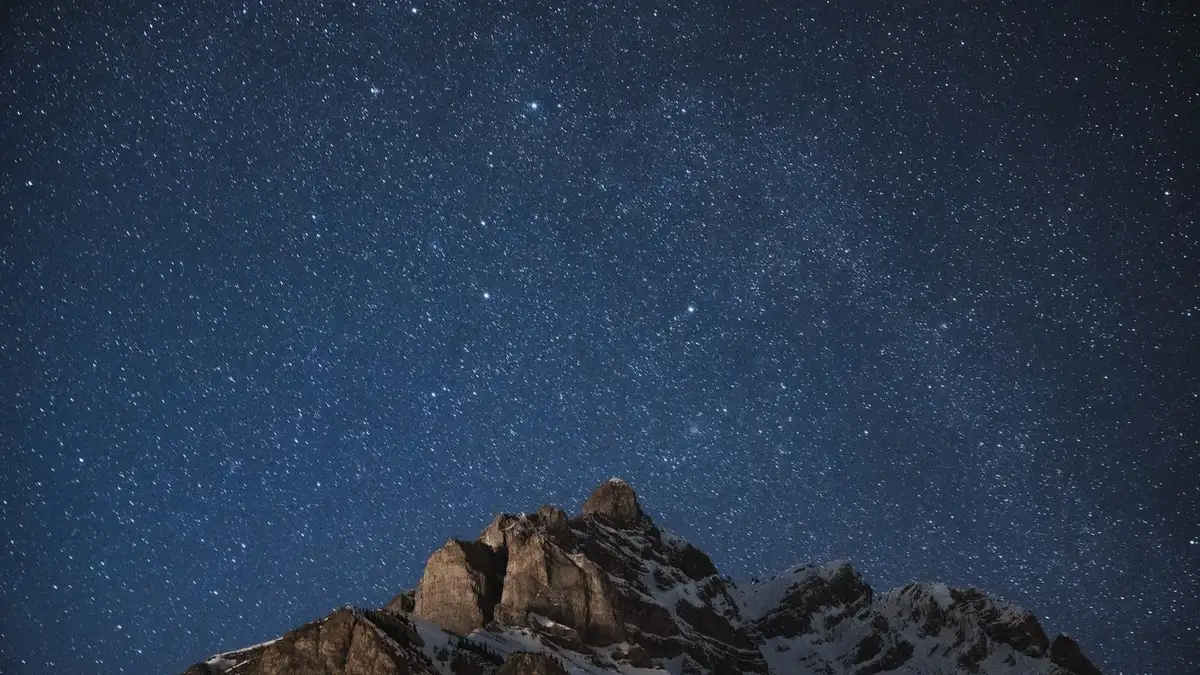
Reach Hanle and settle into a simple guesthouse or homestay. The village is known for its monastery and exceptionally dark skies, while professional observatory access requires separate confirmation. When a community astronomy programme is operating and the weather is clear, a local guide may introduce the night sky. Dress warmly, keep lights low and avoid a late session after the long ride. Tomorrow’s optional Umling La excursion demands a rested rider, not another achievement pursued at the expense of recovery.

Safety notification: Confirm the full Tso Kar–Hanle connection and restricted-area permissions for the group. Carry sufficient fuel and keep photography away from checkpoints and military sites.

11

DAY 11  OPTIONAL UMLING LA EXCURSION OR A DAY IN HANLE

Distance: Approximately 180–220 km return if the approved Umling La excursion operates
Travel time: Around 5–7 hours riding; allow 7–9 hours with brief stops
Road conditions: Exposed high-altitude roads; tarmac, gravel, steep bends and possible ice
Altitude: Hanle approximately 4,300–4,500 m; Umling La approximately 5,800 m
Highlights: Conditional Umling La crossing; alternative Hanle monastery and astronomy experiences
Meals and overnight: Breakfast and dinner; guesthouse or homestay in Hanle

This day offers the most demanding altitude option on this Himalayan expedition, and it begins with a decision rather than a promise. Umling La is attempted only with explicit permission for the travellers and the chosen road, suitable weather, reliable support and a favourable assessment of every participating rider. Several nights in the mountains do not make a visit to around 5,800 metres automatically appropriate. Anyone who prefers a quieter day can remain in Hanle with arrangements agreed in advance.

If the excursion proceeds, leave with adequate fuel, warm clothing and the equipment required for a remote day. The route is selected locally from authorised options, which is why the distance is expressed as a range. Ride in a controlled formation with room for dust and changing grip. The country becomes increasingly exposed, and a seemingly simple stop can feel more tiring than expected. Keep communication with the leader clear and report discomfort before it becomes difficult to manage.

The attraction of Umling La lies in the scale of the landscape and the concentration of the ride. Near the high point, views depend on cloud and wind, and any photograph is a brief pause within a carefully managed crossing. There is no prolonged summit celebration or walking excursion. Follow the turnaround decision even if the pass appears close. Reaching a sign is optional; returning with sufficient energy and daylight is part of completing the day well.

Back in Hanle, the afternoon is kept quiet. Riders choosing the village option may make a modest visit to the monastery, enjoy the surrounding views or rest at the accommodation. A community astronomy session can be arranged when available, but professional telescope access is a separate matter and cannot be assumed. Hanle rewards attention at a slower pace too: evening light across the valley and a dark sky can become highlights without another high pass.

Back in Hanle, allow the remainder of the day to settle into a quiet rhythm. The mechanic checks the motorcycles after the excursion while riders organise luggage for tomorrow’s long return to Leh. A modest visit to the monastery or a community astronomy session may be possible when timing, access and weather allow. Anyone who chose not to ride can enjoy these experiences earlier in the day. Dinner remains relaxed and the evening finishes early, preserving energy for the 250–280 kilometre journey through Nyoma and Chumathang.

Safety notification: Umling La is optional and not guaranteed. Symptoms, permissions or weather can cancel it; emergency oxygen does not make continued ascent safe.

12

DAY 12  HANLE TO LEH VIA NYOMA AND CHUMATHANG

Distance: Approximately 250–280 km
Travel time: Around 6–8 hours riding; allow 8–10 hours with rests and checkpoints
Road conditions: Mixed plateau and Indus Valley roads; tarmac, rough repairs, wind and construction
Altitude: Hanle approximately 4,300–4,500 m; Leh approximately 3,500 m
Highlights: Changthang plateau, Nyoma, Chumathang, the Indus River and return to Leh
Meals and overnight: Breakfast and dinner; hotel in Leh

The last main riding day leaves Hanle after breakfast and retraces the authorised corridor through Loma and Nyoma before following the Indus towards Leh. At roughly 250 to 280 kilometres, this stage is longer than a simple map impression suggests. Begin with a careful bike check and keep the departure punctual. The landscape remains remote for much of the day, so fuel, water and lunch arrangements are settled in advance rather than left to chance.

Across the plateau, wind can build quickly and long sightlines may encourage speed. Maintain the leader’s pace, watch for animals and leave a generous stopping distance on broken surfaces. Checkpoints are approached with documents ready and cameras stored. The road passes communities that have supported travel and pastoral life in this high country for generations. A brief tea stop, when available, offers a welcome pause while respecting the routines of residents and local businesses.

Chumathang is known for hot springs emerging close to the Indus. View them only from safe, permitted areas and avoid unstable ground or water whose temperature has not been assessed. This is a practical rest stop rather than a spa experience within the standard tour. The river then becomes a companion through the valley, with the scenery gradually shifting from the open Changthang plateau towards more frequent settlements and cultivated land.

Continue through Upshi and the busier Indus corridor towards Leh. Traffic, roadside activity and overtaking vehicles require renewed attention after the emptier plateau roads. The familiar outlines of monasteries and villages signal the return to the central valley. Stop at an appropriate place for lunch or refreshments without fixing the group to a single restaurant that may be closed or delayed. The aim is a comfortable arrival before evening, with no need to convert the final hours into a fast run.

Back in Leh, return the motorcycles with the team and check personal luggage before settling into the hotel. A hot shower and an unhurried dinner feel especially welcome after Zanskar, the high passes and Hanle. Share the moments that defined the journey, from Lamayuru’s eroded hills to Shinku La and the dark plateau sky. Tomorrow is deliberately free of riding, providing useful recovery and a buffer before the flight to Delhi.

Safety notification: This is a long remote transfer. Start early, keep checkpoint papers accessible and preserve enough daylight for the increasingly busy approach to Leh.

13

DAY 13  LEH AT LEISURE WITH OPTIONAL HERITAGE EXPERIENCES

Distance: Local transfers approximately 10–40 km, depending on the chosen activities
Travel time: Flexible half-day or full-day programme; no scheduled motorcycle riding
Road conditions: Paved town and valley roads; walking involves uneven lanes and steps
Altitude: Leh approximately 3,500 m; local viewpoints may be slightly higher
Highlights: Leh Old Town, Leh Palace, Namgyal Tsemo, Hall of Fame, bazaar and optional wellness time
Meals and overnight: Breakfast and dinner; hotel in Leh

After the expedition’s final riding stage, Leh offers a day without a fixed road schedule. Sleep a little longer, enjoy breakfast and decide how much activity feels right. This is both a recovery day and a useful buffer before tomorrow’s flight. The core arrangement can remain free at leisure, while guided heritage visits, a vehicle and entrance fees are included only when written into the confirmed package. Choose a small number of meaningful experiences rather than turning the day into another endurance test.

Leh Old Town rewards a slow walk through lanes shaped by trade, religion and the practical demands of a dry mountain climate. Above it, Leh Palace recalls the Namgyal dynasty and the period when royal authority looked across routes linking Ladakh with neighbouring regions. Access, opening hours and restoration work can affect the visit. The building involves stairs and uneven surfaces, so explore at a comfortable pace and enjoy the town views without assuming every level will be open.

Namgyal Tsemo provides another perspective from the ridge above Leh when reached by vehicle and a manageable walk. Its religious buildings and dramatic setting are best approached quietly, with photography following local rules. Travellers interested in modern regional history may instead choose the Hall of Fame museum. Exhibits present military history and aspects of Ladakhi culture, while the surrounding area remains sensitive; never photograph restricted installations or treat active military spaces as tourist attractions.

The bazaar brings the day back to everyday Leh. Browse textiles, handicrafts, books and local products while allowing time for tea or a relaxed lunch. Ask about the origin and materials of higher-value purchases, especially products marketed as pashmina. A prearranged spa treatment, meditation session or photography walk can be added when a reputable provider and suitable timing are confirmed. These optional experiences are priced separately unless the final quotation states otherwise.

Return to the hotel in time to reorganise luggage for the domestic flight. Batteries, tools, aerosols and other restricted items must follow the airline’s current rules, while riding gear may require additional baggage allowance. The tour leader reconfirms the airport pickup and checks that no equipment remains with the motorcycles. Dinner is a calm final evening in Ladakh, leaving space to look back on the route before the sudden descent by air to Delhi tomorrow.

Safety notification: Keep this as a recovery and flight-buffer day. Confirm optional sightseeing, entrances, transport and wellness services in writing before departure.

14

DAY 14  FLIGHT FROM LEH TO DELHI AND FAREWELL DINNER

Distance: Approximately 20–40 km of combined airport transfers; domestic flight additional
Travel time: Flight around 1½ hours; allow 4–6 hours overall with airport procedures
Road conditions: Paved urban roads; no motorcycle riding
Altitude: Leh approximately 3,500 m; Delhi approximately 200–250 m
Highlights: Final Himalayan views from the flight and a relaxed evening in Delhi
Meals and overnight: Breakfast and dinner; hotel in Delhi

Leh’s morning light offers a final view of the mountains before the transfer to the airport. Have breakfast if the flight schedule permits, or ask the hotel in advance about an early option. Riding equipment is now packed for air travel, with batteries and other restricted items arranged according to the airline’s current requirements. Check the room carefully and keep documents accessible. After so many mornings organised around the road, today has the simpler rhythm of transfers and a domestic flight.

At the airport, follow the airline’s check-in and security procedures, allowing the margin recommended by the local team. Assistance can help with practical arrangements, but each traveller remains responsible for their documents and baggage. Weather and operational conditions may affect departures, so onward plans should retain flexibility. When the flight leaves, cloud permitting, the view across the ridges provides a final sense of how the valleys connect within a much larger mountain landscape.

Delhi feels warmer and busier on arrival. Transfer to the hotel and give yourself time to adjust to the change in pace. A shower, clean clothes and an unhurried lunch can be enough for the afternoon. The overnight stop separates the Ladakh flight from tomorrow’s international departure, providing useful breathing room after the expedition. It is a buffer, not a guarantee against disruption, and travellers with inflexible onward commitments may prefer an additional night.

If arrival timing and energy allow, the local team can suggest a short optional outing near the hotel. A gentle walk, a café or a small shopping visit may be more appealing than a major monument after the flight. Additional sightseeing is arranged separately and should not depend on a perfectly punctual arrival. Keep the afternoon open enough to rest or deal comfortably with any change in the travel schedule.

In the evening, gather for a farewell dinner. The conversation now has a shared geography: Alchi’s painted rooms, the long road into Padum, a careful line through the gorge, the dunes and the changing colour of the lakes. Each rider will remember a different moment most clearly. The team helps confirm tomorrow’s airport pickup and any remaining practical details, then leaves the evening to your own pace. The Himalayan Adventure is complete, with one final night in India before the journey home.

Safety notification: Keep international connections on a separate day where possible. Reconfirm airline baggage rules, flight status and tomorrow’s airport transfer.

15

DAY 15  DEPARTURE FROM DELHI

Distance: Approximately 15–30 km by vehicle, depending on the hotel
Travel time: Around 30–90 minutes driving, plus international check-in requirements
Road conditions: Paved urban roads; traffic can cause delays
Altitude: Delhi approximately 200–250 m
Highlights: Farewell to India and onward international travel
Meals and overnight: Breakfast if flight timing permits; no overnight accommodation

Your last morning in India is shaped by the international flight schedule. Enjoy breakfast when timing allows, or arrange a simple early option with the hotel in advance. Keep the day uncomplicated, with time to check your bags and gather documents before the airport transfer. If your departure is later, a quiet morning at the hotel can be a welcome way to finish after the movement and concentration of the motorcycle expedition.

The driver meets you at the confirmed time for the journey to Indira Gandhi International Airport. Delhi traffic varies considerably, so the pickup allows for the route, terminal and the airline’s check-in guidance. Keep passport, ticket and other required travel documents in hand luggage, together with essential medication. The team can assist with transfer coordination, while airline and immigration procedures remain the responsibility of the traveller and the relevant authorities.

Before leaving the hotel, make one final check for items that have become part of the daily routine: charging cables, memory cards, glasses and the lighter layers worn in Delhi. Riding clothes may carry a little dust from the high valleys, but boots and equipment should be cleaned appropriately before international travel, particularly where arrival biosecurity rules apply. Pack any purchases securely and retain receipts when useful. These small preparations make the journey home more straightforward.

For travellers with a late flight, luggage storage may be available after normal checkout. A day room or late checkout can be requested in advance, subject to availability and an additional charge. Optional city sightseeing is possible only when there is a comfortable margin before the transfer, and is arranged separately. There is no scheduled riding or required sightseeing today; the programme finishes with the airport departure arrangements agreed in your booking.

As Delhi passes the window, the journey’s contrasting scenes may return in no particular order: a painted temple at Alchi, village greenery beneath bare slopes, the sound of water in a gorge or a dark evening sky over Hanle. The route has linked places whose everyday lives differ as much as their landscapes. Your fifteen-day Ladakh Himalayan Adventure ends in Delhi, carrying those impressions into the next part of your travels and leaving space for a future return to the valleys you would like to know more slowly.

Safety notification: Allow a generous airport transfer margin. Confirm checkout arrangements and follow the airline and destination country’s baggage requirements.

Two Bikes, Your Call

SERVICED NIGHTLY BY EXPEDITION MECHANIC

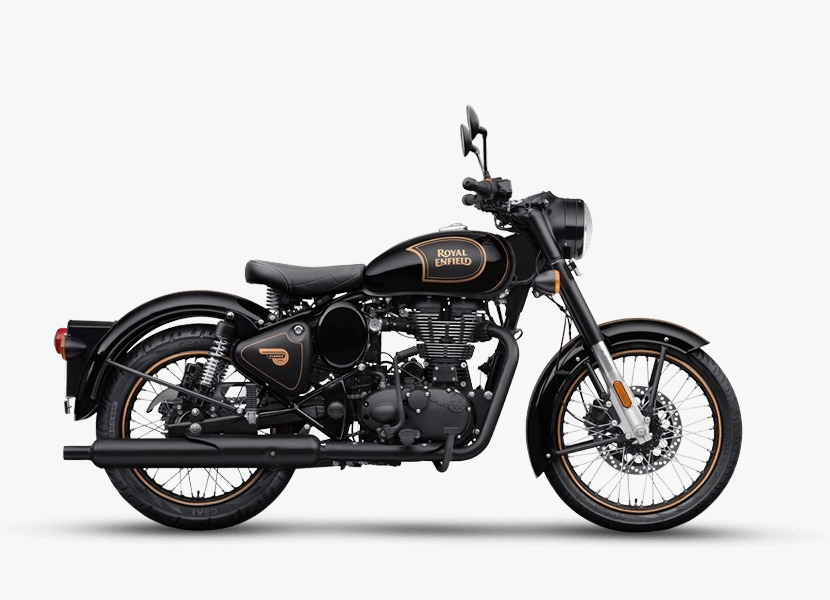
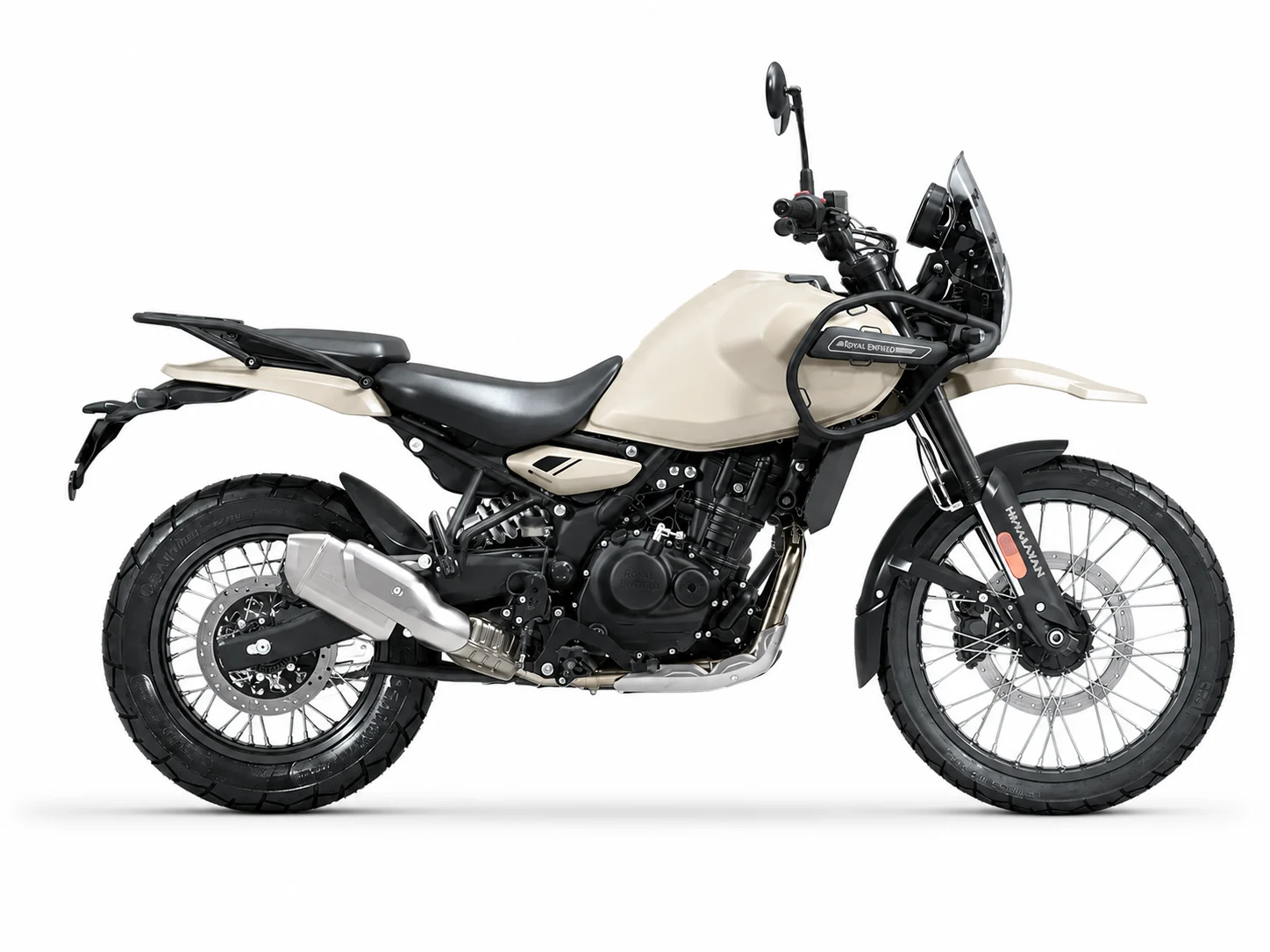
Both are legendary Royal Enfields engineered to conquer the roof of the world. The difference lies in your riding style: the classic low-end thumping torque and grounded stability of the Classic 500, or the long-travel suspension, modern power, and agile clearance of the Himalayan 450 across river crossings and high-altitude passes.

TRADITIONAL · 499 CC Royal Enfield Classic 500

Royal Enfield Classic 500

The traditional choice · torquey, low-slung, indestructible

Heavy iron single-cylinder. It tractors over high passes at 2,000 RPM where revvier motors run out of air. 800 mm seat height keeps both feet flat in rocky stream crossings.

  • Engine499 cc single, air-cooled
  • Power / Torque27 bhp · 41.3 Nm @ 4,000 RPM
  • Kerb weight195 kg
  • Seat height800 mm
  • Fuel capacity13.5 L
ALL-TERRAIN · 452 CC Royal Enfield Himalayan 450

Royal Enfield Himalayan 450

Long-travel adventure · higher ground clearance, 21-inch front

Built specifically for this terrain. 200 mm suspension travel absorbs washboard gravel and rocky climbs that tire wrists on the Classic. 21-inch front wheel rolls easily through rubble.

  • Engine452 cc liquid-cooled Sherpa
  • Power / Torque40 bhp · 40 Nm @ 5,500 RPM
  • Kerb weight196 kg
  • Seat height825–845 mm adjustable
  • Fuel capacity17 L

Important Expedition Advice · Read Before Riding

13 ESSENTIAL NOTES
01

Arrive with recent experience of loose surfaces, hairpins and long mountain days.

02

Bring a full-face helmet, armoured clothing, protective boots and riding gloves.

03

Pack thermal layers, waterproofs, warm gloves and strong sun protection.

04

Carry water, snacks, medication, a power bank and compact waterproof luggage.

05

Allow at least 48 hours in Leh before riding; extend acclimatisation when needed.

06

Review the Shinku La, Tso Kar and optional Umling La altitude profile before booking.

07

Carry passport, visa, motorcycle licence and the required International Driving Permit.

08

Confirm permits for every restricted destination and connecting road in advance.

09

Check insurance for the bike capacity, route, altitude and emergency evacuation.

10

Confirm guide, mechanic, luggage vehicle, oxygen and lawful emergency communications.

11

Ride on the left, keep safe spacing and avoid night riding or blind overtaking.

12

Respect monasteries, villages, wildlife habitat and all photography restrictions.

13

Keep spare travel days for weather, road closures and flight disruption.

What Contact covers

PER RIDER · 15 DAYS · ALL-INCLUSIVE EXPEDITION
What's Included
  • Royal Enfield Classic 500 or Himalayan, your choice, with all fuel included
  • Nightly servicing by the expedition mechanic, who rides with the group
  • Three support vehicles and around ten crew for a maximum of fifteen riders
  • All accommodation — hotels, fixed camps at Chandratai and Sarchu, boutique stays
  • All meals on the road: hot breakfasts, roadside lunches and camp dinners by expedition chef
  • Inner Line Permits and environmental access fees for Ladakh and Changthang
  • Medical support: two 47 L oxygen cylinders, comprehensive trauma kit, satellite communications
What's Excluded
  • International flights into India and domestic flights into Bhuntar/Kullu or Leh
  • Comprehensive travel and medical insurance with high-altitude motorcycle cover
  • India visa fees and processing
  • Alcohol, personal bar bills, laundry and optional tips
  • Riding gear (helmet, armored jacket, gloves, boots)
  • Refundable security deposit for motorcycle damage ($400)

Price & Reservation

TRANSPARENT EXPEDITION PRICING · DIRECT BOOKING
Per rider, all-inclusive expedition
Contact
Deposit to hold a place
Balance due60 days before departure
Group sizeMaximum riders
GUARANTEED RUNS

All tours operate with a minimum group size, backed by 3 support vehicles, lead rider, mechanic, luggage truck and expedition chef. Deposit refundable up to 60 days before ride.

TALK TO A LOCAL EXPERT

Need more information about this expedition? Our tour specialists are ready to help.

WhatsApp Us

Frequently Asked Questions

How many riding days are included

The programme contains nine planned riding days from Day 4 to Day 12, including the optional Umling La excursion and excluding the cultural rest day in Leh. Day 3 remains a vehicle-based acclimatisation programme unless at least 48 hours have passed since arrival and the rider is well.

What is the best time for the complete route

Late June to mid-September is the most realistic operating window. The decisive links are Shinku La, Baralacha La and the high plateau roads. May and October are unsuitable for a routine full-circuit departure and require a shorter redesigned route.

Why is the first motorcycle day delayed until Day 4

Flying directly to Leh brings travellers to approximately 3,500 metres. The programme protects at least 48 hours for acclimatisation before the main riding begins. A delayed flight or concerning symptoms may require an additional night and a later start.

Which motorcycle is recommended

A Royal Enfield Himalayan 452 or comparable adventure motorcycle is suitable for the mixture of highway, construction, gravel and high-pass roads. The exact model, year, luggage system, deposit and replacement arrangements should appear in the final quotation.

Can a passenger join on the motorcycle

A pillion makes the rough and high-altitude stages considerably more demanding. Confirm the motorcycle, luggage allowance and pillion insurance before booking. A seat in the luggage vehicle is available only when the vehicle is approved for passengers and a place is guaranteed in writing.

Is the Padum to Jispa road always open

No. The Shinku La connection is highly seasonal and may close because of snow, construction, landslides or local restrictions. A closure can require the tour to be extended or redesigned; it should never be replaced with a rushed improvised detour.

How demanding is the Jispa to Tso Kar stage

It is one of the longest and highest days, crossing Baralacha La, the Gata Loops, Nakee La, Lachulung La and the Moore Plains. Riders should expect eight to eleven hours overall, changing surfaces, strong wind and a large increase in sleeping altitude.

Can good fitness prevent altitude illness

No. Fitness does not guarantee protection. Riders must ascend cautiously, avoid heavy exertion during acclimatisation and report headache, nausea, dizziness, unusual fatigue or poor coordination immediately. The appropriate response may include rest, medical assessment or descent.

What happens if a rider becomes unwell

The leader stops the rider and follows the agreed medical and evacuation plan. The response may involve observation, oxygen, transport to care or descent. Oxygen is emergency support and never a reason to continue ascending. Related costs depend on insurance and confirmed inclusions.

Is the Tso Kar to Hanle route available to foreign visitors

It operates only when the complete connection, checkpoints and overnight arrangements are authorised for the travellers. Restricted-area permissions can change, so the operator must reconfirm the actual route before departure rather than relying on an old itinerary.

Is the Umling La excursion guaranteed

No. It is optional and depends on explicit permission, suitable weather, road condition, support capacity and rider health. The leader may shorten or cancel the excursion. A quiet Hanle day with monastery or astronomy experiences forms the alternative programme.

Can the astronomical observatory be visited

Hanle is associated with an important astronomical site, but professional observatory access is separate from ordinary village accommodation. A community astronomy session may be arranged when available and weather permitting. Neither telescope access nor clear skies are guaranteed.

Which licence and insurance documents are required

Bring a valid full motorcycle licence, the required International Driving Permit, passport, visa and requested copies. Insurance should explicitly cover the motorcycle capacity, high altitude, the planned regions, medical treatment and emergency evacuation.

What accommodation should travellers expect

Hotels are used in Delhi, Leh, Kargil, Padum and Jispa where available. Temisgam, Tso Kar and Hanle may use simpler guesthouses, homestays, camps or seasonal lodges. Heating, electricity, Wi-Fi and hot water can be limited in remote areas.

Are meals and special diets available

Breakfast and dinner are proposed each day, while lunches and drinks are additional unless stated otherwise. Vegetarian meals are widely available. Vegan, gluten-free and allergy-related needs require advance discussion because remote kitchens have limited ingredients and cannot always prevent cross-contact.

Will mobile service Wi-Fi and card payments work

Connectivity and electronic payments become unreliable outside the main towns. Carry sufficient Indian rupees, a power bank and offline copies of important documents. Travellers should remain with the group and tell the leader before any independent movement.

What support should be confirmed before booking

The quotation should identify the road captain, mechanic, spare parts, luggage or passenger vehicle, fuel plan, first-aid kit, oxygen, emergency communications and backup transport. The vehicle must be capable of following the confirmed Zanskar and high-pass route.

How cold can the journey become

High passes and plateau mornings may feel close to freezing even in summer. Bring thermal base layers, insulation, waterproof outerwear, warm riding gloves, neck protection and sun protection. Keep a warm layer accessible rather than buried in the support vehicle.

Can older riders join

Suitability depends more on current health, riding competence, recovery and previous altitude experience than on age alone. Travellers with medical concerns should seek personalised advice and share relevant information with the operator and insurer before booking.

Are drones off-road riding and checkpoint photography permitted

Stay on authorised roads and never photograph checkpoints, military facilities or restricted infrastructure. Drone use requires current permission and may be prohibited near sensitive areas, monasteries or wildlife habitat. The itinerary does not include recreational off-road riding.

TripAdvisor Reviews

VERIFIED TRAVELER FEEDBACK
EXCELLENT
Tripadvisor star 1Tripadvisor star 2Tripadvisor star 3Tripadvisor star 4Tripadvisor star 5
Based on 207 reviews
Posted on Tripadvisor Tripadvisor
Garry A profile picture
Garry A
Tripadvisor star 1Tripadvisor star 2Tripadvisor star 3Tripadvisor star 4Tripadvisor star 5Verified
Awesome Riding Adventure 5 of us did the 10 day Northern Vietnam Off-road Loop at the end of November, very ably assisted by by our guide, Giang, and support vehicle driver, Dong.We logged over 1800km in 9 days of riding, saw some absolutely amazing scenery, partook in local delicacies, met and partied with ethnic people and had an epic trip.Everything around the trip was managed efficiently by Mike Dong, including organising Vietnamese drivers licences for us all. The bikes we had (CRF300L) performed well with only two flat tyres to speak of. The accommodation choices (apart from one night) were comfortable and adequate, the meals were delicious and plentiful.The whole trip went like clockwork and we got to see places few other tourist would ever get to see.I would definitely recommend this tour or shorter trips if you feel 10 days is a bit much.
Posted on Tripadvisor Tripadvisor
Go21589563690 profile picture
Go21589563690
Tripadvisor star 1Tripadvisor star 2Tripadvisor star 3Tripadvisor star 4Tripadvisor star 5Verified
Unforgettable 12-day trip from Hanoi to Saigon We highly recommend the 12-day trip from Hanoi to Saigon. The organization was excellent from start to finish. The day before, we were personally briefed by the company owner, received all important details and felt well prepared.Our guide Cong was just awesome. We felt safe at all times and were allowed to experience small cultural excursions practically every day. He showed us beautiful places, introduced us to local culture and was able to tell us an incredible amount about the country. We were also spoiled culinary – we ate very fine every day.An absolutely unique experience, perfectly organized and with a guide who made our experience unforgettable. Clear recommendation!
Posted on Tripadvisor Tripadvisor
P w profile picture
P w
Tripadvisor star 1Tripadvisor star 2Tripadvisor star 3Tripadvisor star 4Tripadvisor star 5Verified
Great bike tour for 6 days, north west Vietnam Brilliant 6 days, the tours are road based with a little bit of riding on un paved roads, Ducky was our guide, ex-road racer which suited us as we like to push on. Was amazing to see all the villagers, people waving, nothing like miserable old England where everyone thinks your doing something illegal. Homesteads were great, food nothing to say as always the best. Get it booked and take your holiday to +10.
Posted on Tripadvisor Tripadvisor
Ian W profile picture
Ian W
Tripadvisor star 1Tripadvisor star 2Tripadvisor star 3Tripadvisor star 4Tripadvisor star 5Verified
Am absolutely amazing ten days in northern Vietnam We did a 10 day tour. Lihn was our guide. Great guy. We had a Canadian guy join us, so 4 in total. Amazing time, 10 days few by. I had a gopro on my helmet facing forward, Lihn had one facing back. Michael, the owner has put all the footage together and made a great video.We are now looking at another trip with these guys.
Posted on Tripadvisor Tripadvisor
Compass40778616391 profile picture
Compass40778616391
Tripadvisor star 1Tripadvisor star 2Tripadvisor star 3Tripadvisor star 4Tripadvisor star 5Verified
Incredible life experience Indochina Bike Tours ran a very relax but very professional motorcycle tour and over the 14 day North Vietnam,2400km ride everyday was full of challenges and wonder natural and cultural surprise.Absoulutly everything was fully catered for and supplied , all you have to do is wake up and thumb the starter button.Great company and great ride.Highly recommended. Absoulutly incredible experience.
Posted on Tripadvisor Tripadvisor
Niels M profile picture
Niels M
Tripadvisor star 1Tripadvisor star 2Tripadvisor star 3Tripadvisor star 4Tripadvisor star 5Verified
Unic and special experience Great adventure, the guide and the driver where verry kindly.A lot of adventure, drinke and food.Verry nice experience
Posted on Tripadvisor Tripadvisor
erik m profile picture
erik m
Tripadvisor star 1Tripadvisor star 2Tripadvisor star 3Tripadvisor star 4Tripadvisor star 5Verified
Very good We where with 4 guys and had a great time!Great stays with good food and vieuws, also beautiful roads and offroad paths.Our guide Son was a very good and funny guy! Thank you all for this awesome time!
Posted on Tripadvisor Tripadvisor
jvbn profile picture
jvbn
Tripadvisor star 1Tripadvisor star 2Tripadvisor star 3Tripadvisor star 4Tripadvisor star 5Verified
Great 12 Day Tour through Northern Vietnam We had a great trip with Ducky and Son showing us hidden offroad tracks and beautiful sceneries in Northern Vietnam. They were also very professional whenever something on the bike required fixing. The homestays and hotels were well selected, providing a great experience of local culture and cuisine. Can highly recommend the trip!
Posted on Tripadvisor Tripadvisor
Getaway28493855013 profile picture
Getaway28493855013
Tripadvisor star 1Tripadvisor star 2Tripadvisor star 3Tripadvisor star 4Tripadvisor star 5Verified
Great tour! Riding with Insochina motorbike tour was a great experience. This was my first time on a motorbike tour and my first time in Vietnam. Our guide Tony was excellent.
Posted on Tripadvisor Tripadvisor
Rochelle E profile picture
Rochelle E
Tripadvisor star 1Tripadvisor star 2Tripadvisor star 3Tripadvisor star 4Tripadvisor star 5Verified
10 Days Completed the 10 Day trip. It was guided and tailored to our riding abilities. Sadly we came at a time with flooding and could not complete some tracks because of this. The food was amazing at every location. Homestays were fantastic, nice people. Ducky had good knowledge about the locations and good recommendations

Comments & Discussion

SHARE YOUR THOUGHTS
guest

0 Comments
15 DAYS EXPEDITION Contact
Reserve